Today, on World Bee Day, while sipping coffee, I listened to the soft hum of wings winging their way through the gardens of Winterpast. That delicate buzz threads life between blossom and bloom. In a world often too loud to hear the quiet heroes, the bee is a balance of harmony and interconnection.
Bees are more than honey-makers. They are nature’s master pollinators, quietly servicing over 75% of our crops. Apples, almonds, blueberries, coffee, cucumbers, and more rely on bees. Without them, the vibrant palette of our plates would fade to monotony. Yet, the role they play goes far deeper than agricultural value.
In pollinating wild plants, bees maintain the very fabric of biodiversity. Every flight from flower to flower is an act of creation, ensuring that trees, shrubs, and wildflowers reproduce while ecosystems flourish. They are keystone species, holding together entire webs of life with invisible threads.
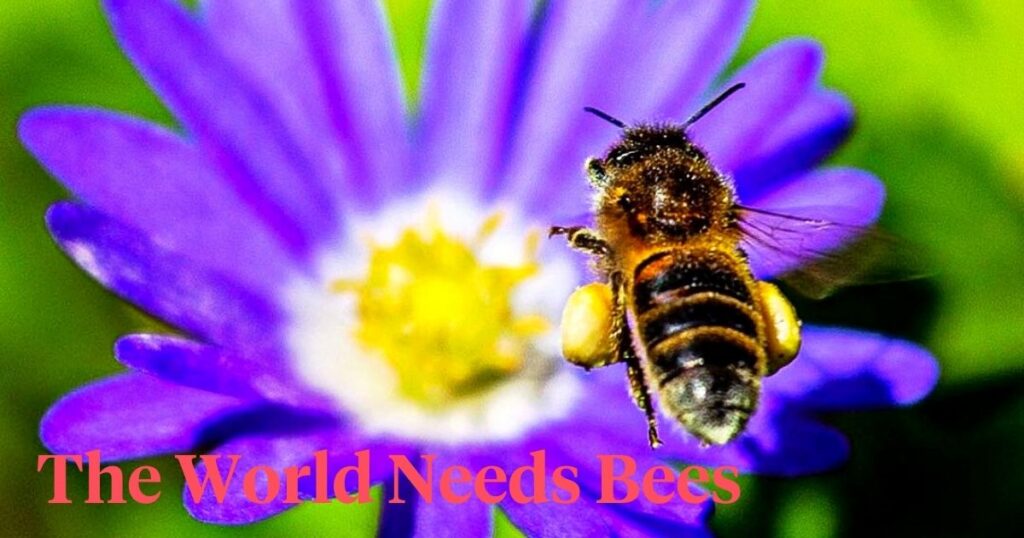
Despite their importance, bees are in crisis. Last year alone, 60% of the hives in the United States collapsed and died. In our area, we know of almost 100 that failed. Pesticides, habitat destruction, monoculture farming, climate change, and disease have all taken a toll. But, the scariest thing is that the experts haven’t found the real answer to why.
Since the early 2000s, bee populations have declined sharply around the world. The quiet vanishing of bees is not just an ecological tragedy—it’s a warning. Their loss signals a breakdown in a system that sustains us all. The loss of our hive last year broke our hearts, but not our spirit.
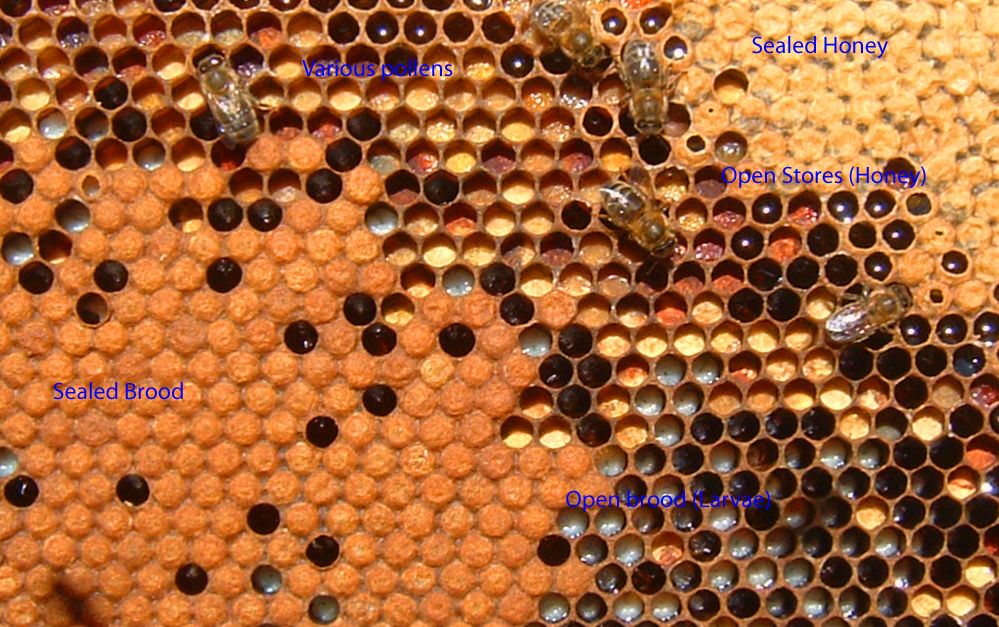
This year, our queen is supreme! Every day, she lays more eggs, which develop into larvae and then into capped brood. Our hive is filled with busy little bees that keep to themselves while foraging for pollen and nectar. In a few weeks, we’ll be adding the honey super (top box smaller than the other two) that they’ll fill for us! This year, we’re hopeful we’ll have honey to share with friends and family.
Each bee, small and delicate as it is, carries a profound message: our survival is inseparable from nature’s health. If they disappear, it’s not just their hum that fades—it’s the chorus of life itself.
World Bee Day is not just a celebration—it’s a plea. In 2017, the United Nations officially designated May 20 as World Bee Day to highlight the importance of bees and other pollinators in sustaining life on Earth. The date was chosen in honor of Anton Janša, a Slovenian pioneer in modern beekeeping, who was born on May 20, 1734.
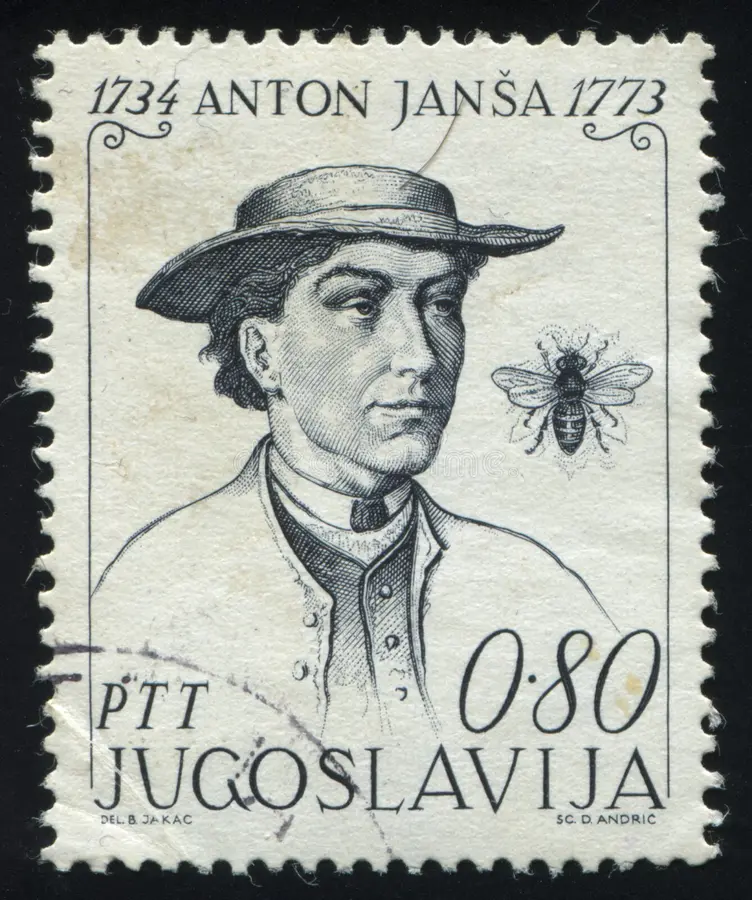
World Bee Day is observed annually on May 20. Every year, individuals, organizations, and governments worldwide come together on this day to spread awareness about the declining bee population and to promote protective measures. There are several meaningful ways to celebrate World Bee Day. For instance, you can plant bee-friendly flowers in your garden, avoid using harmful pesticides (please, discard your Sevin), and support local beekeepers by purchasing honey and other bee products.
Bees see flowers not only as sources of nectar, but as luminous patterns in ultraviolet light—a secret beauty humans can barely imagine. They live in complex societies, communicate through dances, and make collective decisions. Their world is rich, layered, and filled with purpose.
To honor bees is to live more attentively. While listening to the earth, find awe in the ordinary, and protect what is precious simply because it is alive. This World Bee Day, please remember that the hum of a bee is the heartbeat of the earth.