
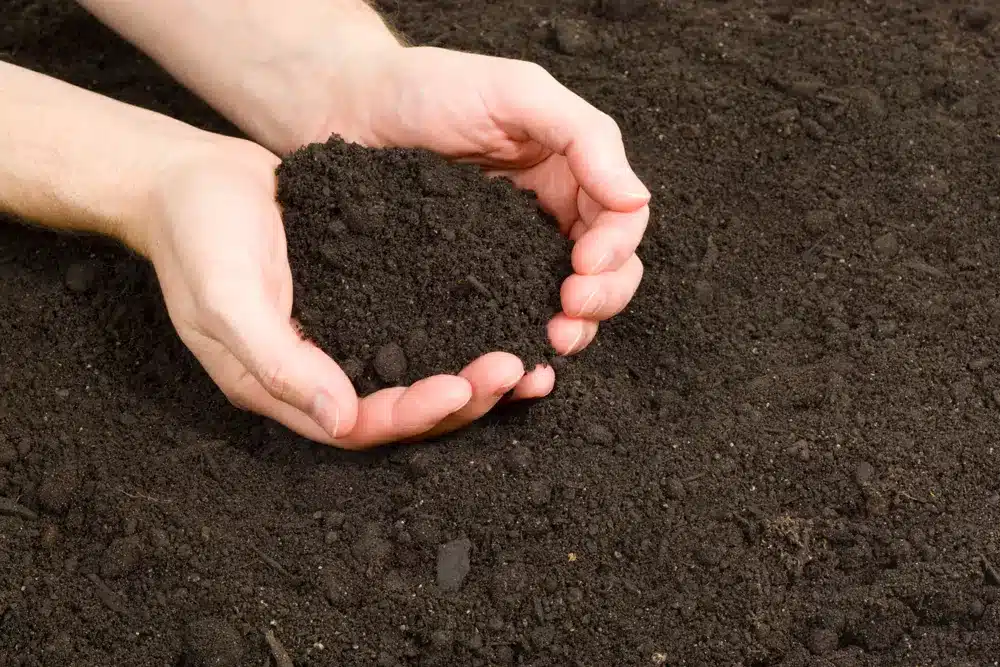
We don’t want much. Just a little soil.
Not dirt.
Soil.
They are not the same thing, no matter how many garden bags say otherwise. Dirt is what you sweep off the porch. Soil is what feeds the world. Dirt is what you curse when the wind comes up. Soil is what you kneel in with hope. Good soil is full of decaying organic matter. On the high desert plains of Northwestern Nevada, we are surrounded by dirt. That’s just the way it is.
I grew up in California’s Central Valley, where soil was so rich it felt like cheating. You could drop a seed, turn your back, and come back later to something edible. Fields stretched for miles, dark and generous, producing food for places far beyond our view. They called it the Bread Basket of the World, and it deserved the title.
Back then, I never understood why people were so upset about new housing construction. Why the protests? House after house crept across the landscape, swallowing fields that had quietly done their job for generations. I was too young to understand what was being lost. Between the coastal range and the Sierra’s, the vast landscape felt endless. Farming felt permanent.
Then, all grown up, I did exactly what they warned about, building a home right in the middle of what had once been a fig orchard. The trees were gone, and the soil was sealed beneath concrete. Comfort replaced cultivation, and I didn’t give it much thought at the time. Wasn’t a tile-roofed 3/2 with a pool in the back progress at its best?
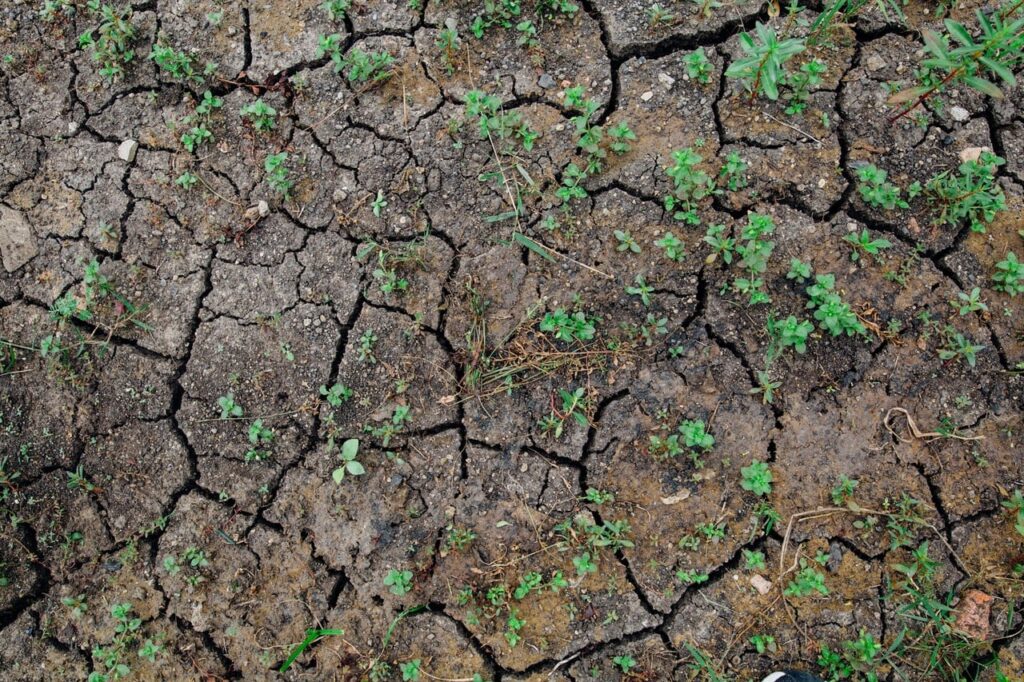
Fast forward to Winterpast. Here, we don’t have soil, we have dirt. No way around it. Young dirt, as dirt goes, is decomposed granite and sand compacted into the desert floor by wind and time. This dirt laughs at shovels and shrugs off good intentions, resembling concrete more than soil.
For twenty-two years, stubborn homeowners like HHH and me have been trying to change that. We amend, compost, mulch, plant, and believe. Season after season, we work to coax life into the ground, even adding worms. Season after season, we still have dirt. Gardening in the desert teaches you humility as well as patience, whether you asked for the lesson or not.
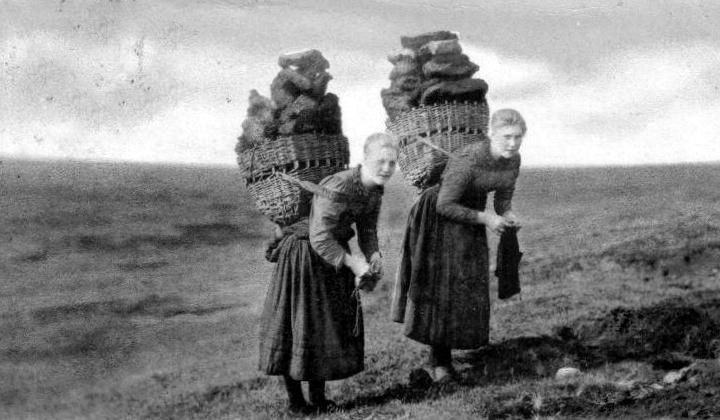
Recently, a memory surfaced from my childhood days on the farm. I remembered my mother at the garden center, buying bales of peat moss. Lovingly, she worked it into our already beautiful soil. Azaleas and rhododendrons grew in a secret flower bed so lush it belonged in a magazine. She partnered with nature.
Azaleas and rhododendrons are a step too far for our desert climate. That January dream would just dry up, and blow away in the Zephyrs. But, what if peat moss could nudge our dirt a little closer to soil?
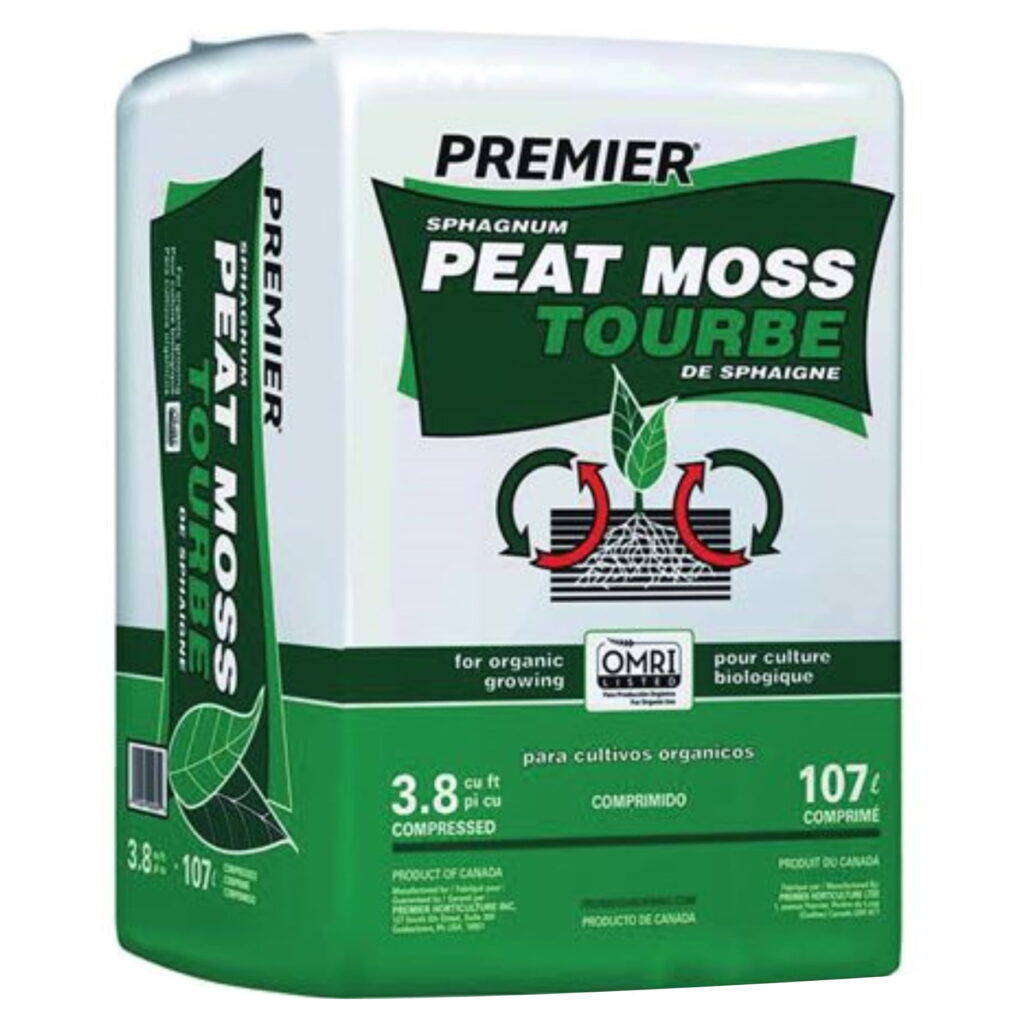
So, Saturday, HHH and I bought a bale. I clearly remember my mother paying a few dollars. We paid $38.00 for one bale of compressed hope.
We stood there doing the math gardeners everywhere know too well: How badly do we want this? Gardening, it turns out, is also an exercise in economic acceptance. It will be another expensive year for gardening, but then again, it always is.
Because soil is more than dirt. Memory, time, and care are layered season after season. Soil happens when you refuse to give up, even when the ground resists you. And, just maybe, this year our dirt will become something a little closer to soil.
More tomorrow.