
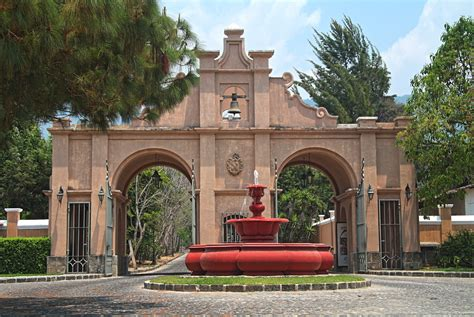
Our adventures in December surpassed anything we dreamed when choosing to visit a very old coffee plantation in Antigua. On a full-day tour, we hoped to see a bit of the REAL Guatemala. What that would include, we couldn’t imagine. By day’s end, we sailed away with memories of a most mysterious place.
The first four days of our cruise were sea days. Now, there are those who long for exotic ports of call. For HHH and me, the sea days are why we cruise. Hours and hours of changing seascapes and skies, while traveling about 20 miles an hour. There are those who find the thought terrifying. It could be nothing further from the truth, from mornings with fun activities to the evening when the lullaby of the crashing waves through an open balcony window soothed us to sleep. We’re “Sea Day” people.
With a stop in Puerto Vallarta for a day of sailing in the Bay of Banderas. we enjoyed one more sea day before disembarking for a land excursion. Carefully protected, we walked through trinket shops at the dock to our awaiting bus and tour guide. All eyes were on the tourists, keeping us safe from harm.
Throughout the day, volcanoes, history, and nature surrounded us. Along the way, one of the distant volcanoes began erupting. Starting with a tiny puff, there was soon an entire plume. As the tour guide continued talking, it seemed we were driving towards certain disaster. Later, we learned the volcano does this several times a day in pretty dramatic fashion.
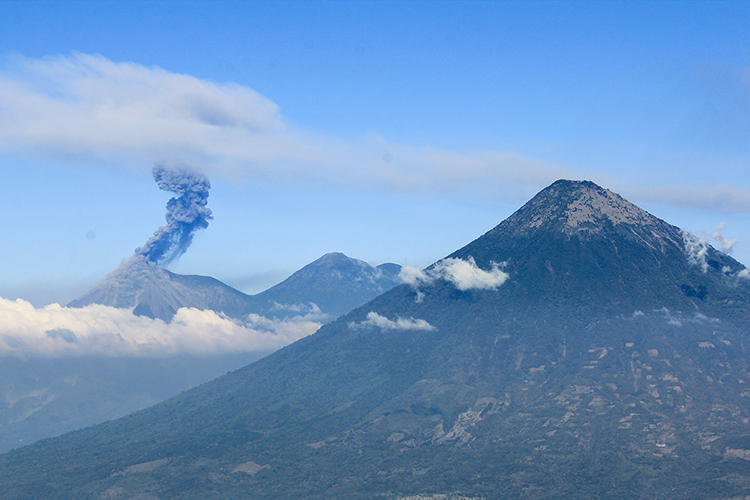
It’s this volcanic ash that makes Antigua the perfect place to grow coffee. Upon arriving at the historic coffee farm, the cleanliness made a statement. Pristine and elegant, we soon learned about this very old plantation, filled with pride and professionals.
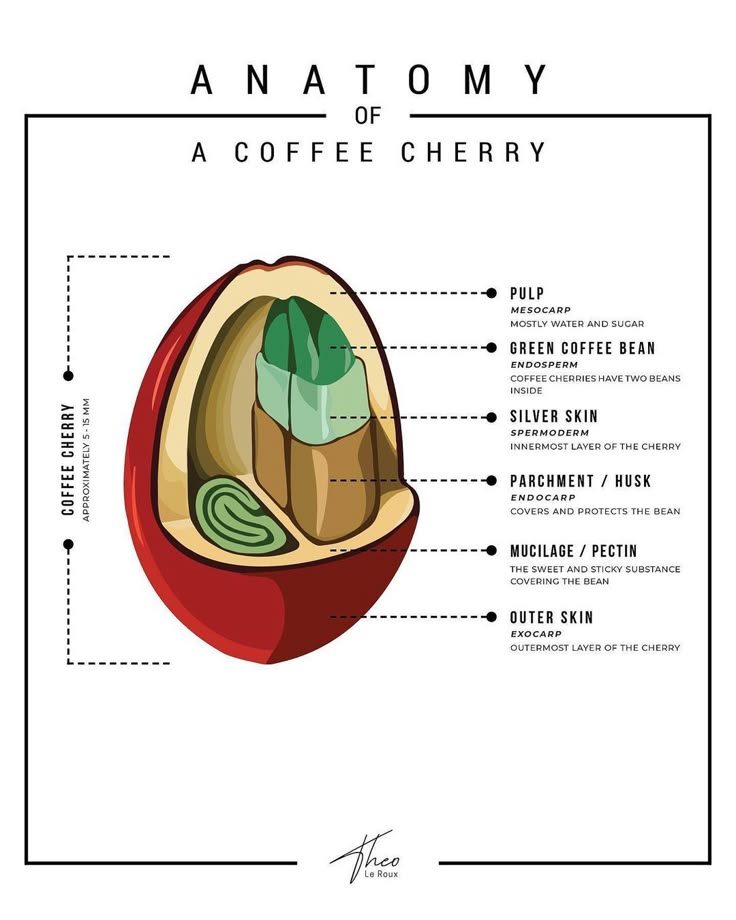
Coffee beans are called cherries when ripe. Our guide handed each one of us a red “cherry” and asked us to squeeze it. A clear juice came out of the tip. He then asked us to taste the juice. To my surprise, it was deliciously sweet. After breaking the bean apart, the pulp is made into jelly, while the bean is roasted for coffee. The parchment is turned into cattle feed. All of this happens in a circle of erupting volcanoes, as it has for decades.
The tour was fascinating. The tiny plantation, filled with ancient machines, is operated by men who’ve worked there for decades. It was obvious that growing coffee takes care and patience, which is true with any farming.
After a Guatemalan lunch served on a veranda that overlooked the plantation, we loaded into smaller buses for a short ride into Antigua. “Cobblestones” make up every street in the town, which are actually hunks of volcanic rock. Do Not Fall on these uneven and jagged streets. On that particular Sunday afternoon, families were enjoying time in the town square under lovely trees shading the area. Conversations and laughter replaced a noticeable lack of cellphones. So beautiful to experience that once again.
We ended the tour with a visit to a Jade factory. To our surprise, we learned that rocks containing jade rings like metal when hit with a hammer.
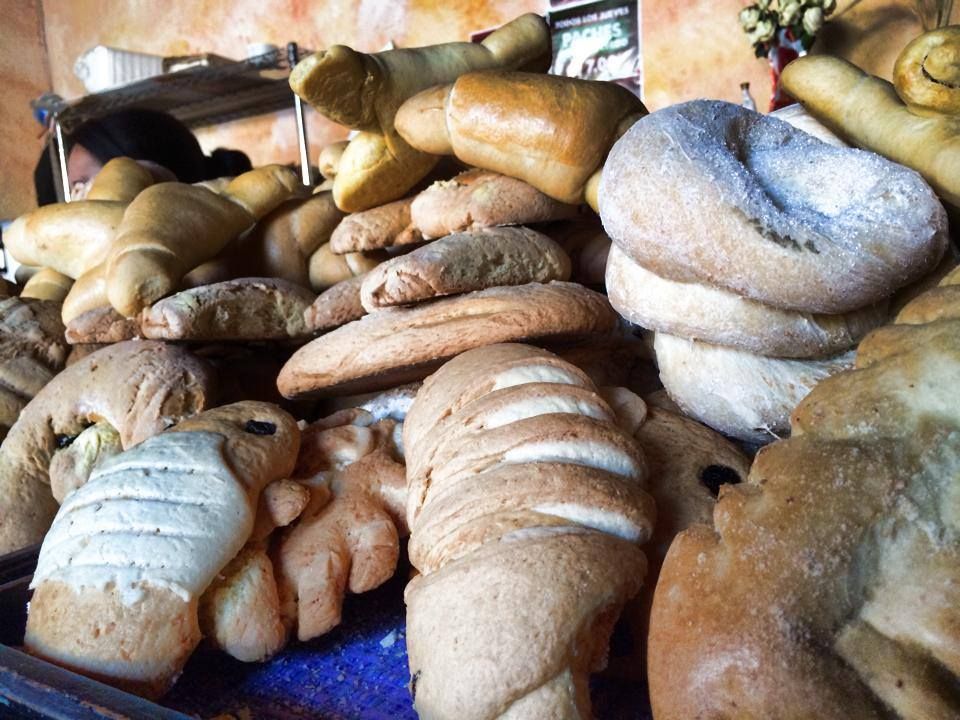
Before leaving, I’d bought a wallet, bamboo flute, small drum, and cobalt-blue scarf that HHH insisted I must have. Throughout our visit, the locals celebrated the Day of Bread. Vendors selling every size and shape of bread you could imagine filled the streets. Funny. A Day of Bread would be a delightful thing to celebrate here in the States.
Returning to the ship by 5, we sat on our balcony while watching the last of our shipmates race to the gangway before we sailed away.
Although I’ll probably never return to Finca Filadelfia for a stay, the beauty of that plantation will stay with me forever. Just a very old coffee plantation nestled in the rain forest under the watch of beautiful volcanoes that blow once in awhile.
More tomorrow.