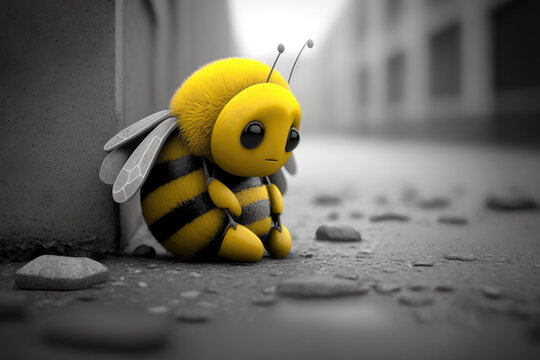
There’s a kind of heartbreak that comes quietly when the soft hum of wings no longer fills the air. Again, it appears our bees are failing. We’ve given them a brand-new hive, time, care, water, food, and love, yet something is missing, and something is very wrong. A new honey super sits empty on top of the two main boxes. After months, not even a bit of work was done in an area that should have been full.
We wish they could tell us what we’ve missed. We’ve tried to listen, understand, and do better. We’ve tried different approaches throughout the season, and yet, they are again, failing. It’s not for trying. For goodness sakes, we’ve even got a bee expert on our side coaching our every move. The results have been the same.
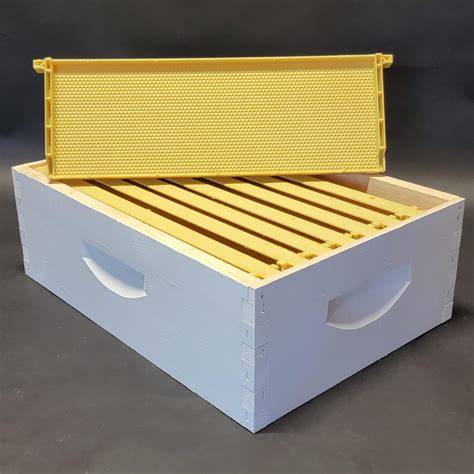
Last week, we very carefully opened the hive hoping to see a little something in the honey super. It sat, pristine and quite empty, while the majority of the bees were still trying to figure out how to make wax in the two boxes below. They’ve never found their true home here in the high desert plains.
Bees forage in a two mile radius. Our desert doesn’t provide much in the way of blooms for them to enjoy. Most people in the desert don’t have a wildlife refuge like Winterpast has become. Most people around here buy a house, move in, close the windows, and let the backyard harden into a baked expanse of sand with water at a premium. Time is even more precious. Gardening is a lost art here in our little town.
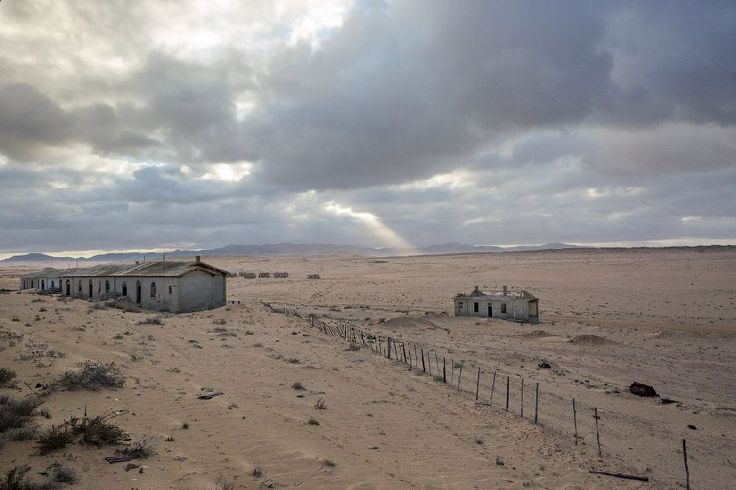
Xeriscaping has overtaken common sense. Humans need gardens as much as the gardens need us. But, few people appreciate that anymore and the bees around here pay a heavy price.
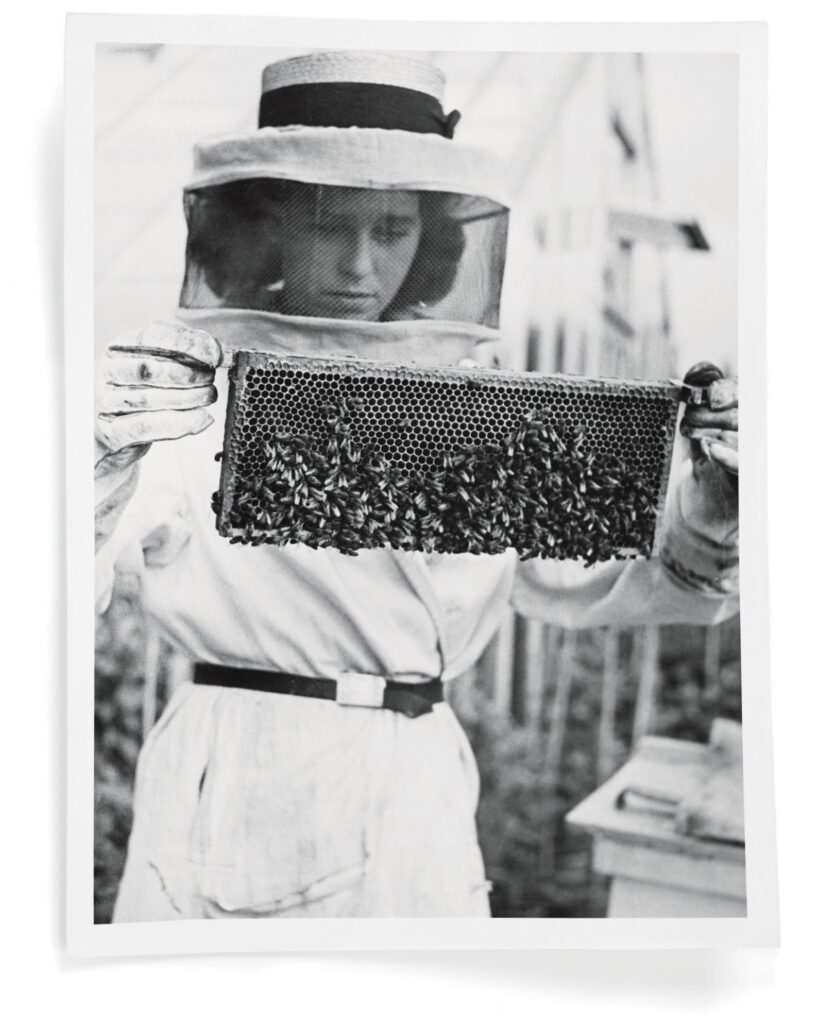
Beekeeping used to be simpler. Back in the 80s, swarms were caught, and the bees went to work. A few stings were the price of honey, pollen, and a living rhythm that tied us to the earth. The bees were our resilient, buzzing, tireless partners. Perhaps after years of being raided, medicated, and disturbed week after week, they’re tired of it all. Here, they’ve just given up.
Today, mites and diseases strike with merciless persistence. Hives collapse for reasons that no one fully understands. I do mean NO ONE. Universities have their brightest minds working on the problem, which is massive. Last year, 70% of the hives in the US collapsed. We can treat, feed, and tend, but the end often comes the same. And it’s not just here but across the world that hives are dying off, one by one.
A friend of mine was quite distraught about the demise of the bees, predicting the collapse of all human food sources without pollination. No doubt, farmers desperately need bees. Thank goodness there are brilliant minds that propagate bees every year. New resistant varieties show a promising future. We all need to take a breath and remember that bees are not the only pollinators, just the domesticated ones.
There will always be bees, somewhere, just not in our backyard. Not in the new wooden boxes, not under the smoke’s gentle haze, and not in the gardens we hoped they’d roam and thrive. The silence feels heavy and final.
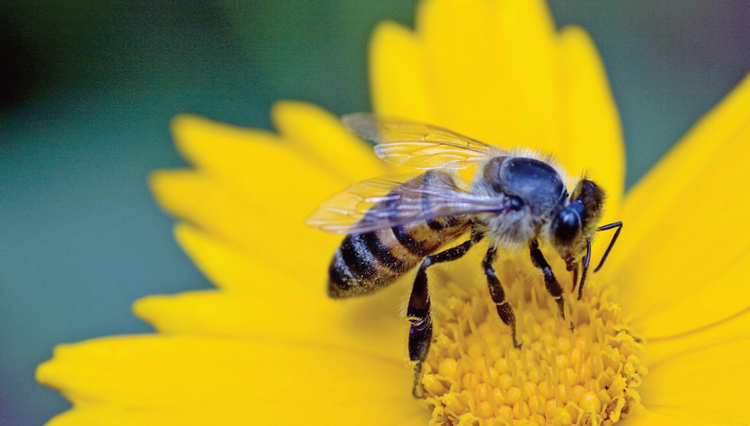
We’ll finish out the year. Their house has been reduced. We’ll check on them a couple more times before winter comes. Then, it’s up to them. If they can make it through months of cold, we’ll give them a glorious “Hello” in the spring. It’s all up to them now.
So, with a quiet kind of grief, we are hanging up our smoker and suits. Our hope hasn’t died, but it feels bruised, tired, and a little bit heartsick. Perhaps someday the hum will return. But for now, we’ll savor a few golden jars of honey, summer’s sweetness, and the lessons our bees have taught us. Even the smallest creatures carry the weight of the world.