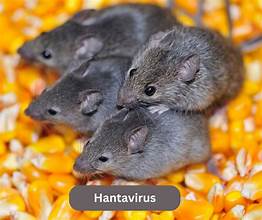
During the winter of 2024-2025, mice established themselves in our very clean garage where they found warmth and some food in the empty beehive. As we trapped and trapped and trapped some more, it became a war. It was them or us. With opposable thumbs, in the end, we would win.
Being young enough to battle the vermin, HHH and I are quick to identify signs mice are around. If you know of elderly shut-ins, check to make sure they aren’t living with a silent killer. Mice can chew through wires, contaminate food, and spread dangerous diseases, including Hantavirus Pulmonary Syndrome (HPS). This deadly virus is transmitted through rodent droppings, urine, or saliva. If you suspect a mouse infestation , cleaning it up quickly and safely is critical.

HPS is a rare but serious respiratory disease that humans can contract when they inhale particles contaminated with the virus. It killed Gene Hackman’s wife, while also killing three people in Mammoth Lakes, Ca. We’ve had several people become sick with this illness just 40 minutes to the west. HPS is very serious.
The virus can become airborne when contaminated materials like droppings, urine, or nesting materials are disturbed. Common exposure scenarios include when:
- Cleaning out barns, sheds, attics, or garages
- Opening cabins that have been closed for the winter
- Sweeping up rodent droppings
Symptoms usually appear 1–8 weeks after exposure. They can include:
- Fever, muscle aches, and fatigue
- Headaches, dizziness, chills
- Nausea, vomiting, and abdominal pain
- Shortness of breath (as the lungs fill with fluid in later stages)
There is no specific cure or vaccine for hantavirus, and the condition can be fatal. That’s why prevention and proper cleaning is critical.

Before you clean up, confirm if you’re dealing with an active or past infestation. Common signs include:
- Droppings (small, dark pellets)
- Sightings
- Gnawed food packages or wires
- Nesting materials like shredded paper or fabric
- Musty odors
- Scratching or squeaking sounds, especially at night
If you are experiencing a problem with mice, ventilate the area. Open windows and doors for at least 30 minutes before you begin. Leave the area during this time to let fresh air circulate.

Wear protective gear. Protect your hands with rubber or latex gloves. Protect your lungs with an N95 respirator mask and wear safety goggles.
Spray all droppings with a commercial disinfectant or a solution of 1 part bleach to 10 parts water. Saturate all droppings, urine stains, and nesting materials. Let it soak for at least 5 minutes.
Use paper towels to collect the waste. Place all contaminated materials in a plastic bag. Dispose of it with your outdoor trash.
Wipe down all affected surfaces with disinfectant. Wash hands thoroughly with soap and warm water after removing gloves.
If your health is impaired, ask someone else to come and do the cleaning.
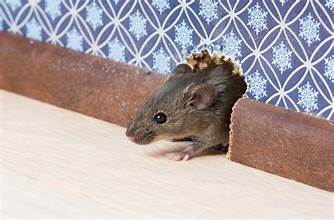
For large infestations or heavily contaminated areas (like insulation), consider contacting professional pest control or biohazard cleanup services. Disturbing large amounts of contaminated materials can significantly increase the risk of airborne exposure.
To keep mice from coming back, seal entry points, eliminate their food source, and reduce nesting areas. After the initial cleanup, check for signs of return in the form of dropping, gnaw marks, or sounds. Set traps if needed.
Mice infestations aren’t just inconvenient, but a serious health hazard. With hantavirus a real risk, especially in rural or dusty environments, it’s crucial to clean thoroughly and carefully.
Always prioritize safety by wearing protective gear, using disinfectants, and never stirring up dust or droppings by sweeping or vacuuming. When in doubt, don’t hesitate to contact professionals.
Stay safe—and rodent-free!