
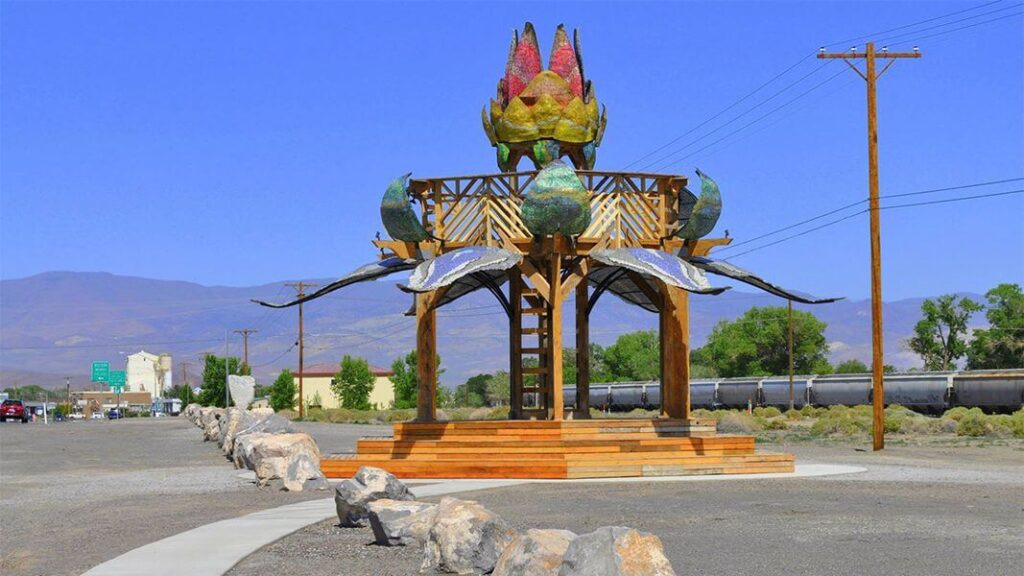
My first week at Winterpast was like stepping onto a stage where everyone already knew the script. I arrived late on stage, flipping pages to find my place. Names were familiar to everyone but me, landmarks had stories I didn’t know, and the rhythm to life that took time to learn. All of that took a back seat during my first year of grief.
During the COVID quarantine, I needed to fit in somewhere. This was hard to do when all doors were shut tight while faces were hidden behind masks.

Fitting in didn’t mean changing who I was—it meant allowing myself to take root in new soil. The problem was that I’d become someone totally different, transplanted in an unfamiliar environment. Like in any garden, that took time, patience, spring rains, and a lot of sunshine.
In our small town, presence matters more than polish, and that was a blessing. People wanted to see if I’d show up, whether for Bible study or Sunday morning service. It was never about standing out but more about standing beside. Everything was strange. Slowly, every smile and handshake became a thread in beautiful new tapestry called “HOME”. Things would have turned out differently without God.

Small towns are rich in stories, and old-time residents keep them alive. Sitting at the café or lingering at the hardware store, I listened. I asked questions not just to be polite, but to understand. There’s a kind of unspoken respect in letting others tell you who they are before you introduce yourself. Slowly, I found the answers needed to survive and thrive.
In a place where everyone knows everyone, there was no room for pretending. The upside? I wasn’t expected to be anything more than who I was. Authenticity carries weight. Over time, people stopped seeing that “new person” and started seeing the new neighbor, the woman who helped at the Holiday food drive, or the gal who always waves from her Jeep.
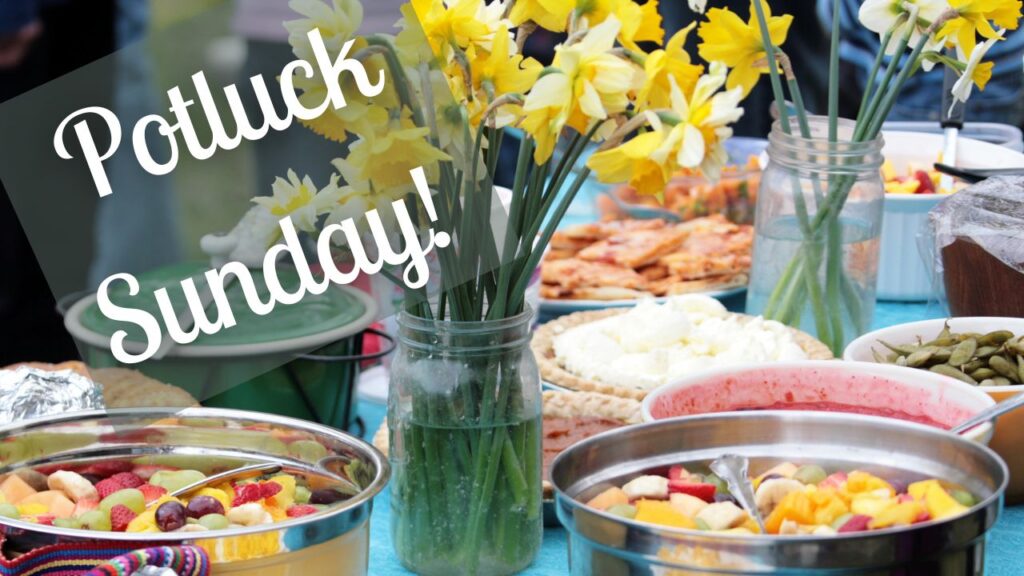
One of the fastest ways to fit in was to contribute. Our small church relies on volunteers and neighborly help more than formal systems. Whether stacking chairs, bringing soup to a sick neighbor, or helping someone find their lost dog, those quiet acts echo loudly in tight-knit communities.
There’s a myth that small towns are either instantly warm or permanently closed off. The truth lives somewhere in between. Trust is a slow-growing vine, and fitting in can take months, even years. But when it happens, it’s real. Not transactional or temporary, but lasting—like the way someone leaves a porch light on for you when they know you’re coming home late.

Fitting in isn’t about erasing your edges to match a mold. It’s about learning the contours of the community and finding where your shape naturally fits. Small town people don’t ask for perfection—they ask for presence, patience, and a willingness to be known.
Now, when someone calls me by name at Walmart or stops by to say “Hi” on a Sunday afternoon—I know: I’m not just living here anymore. I’m a Nevadan.