
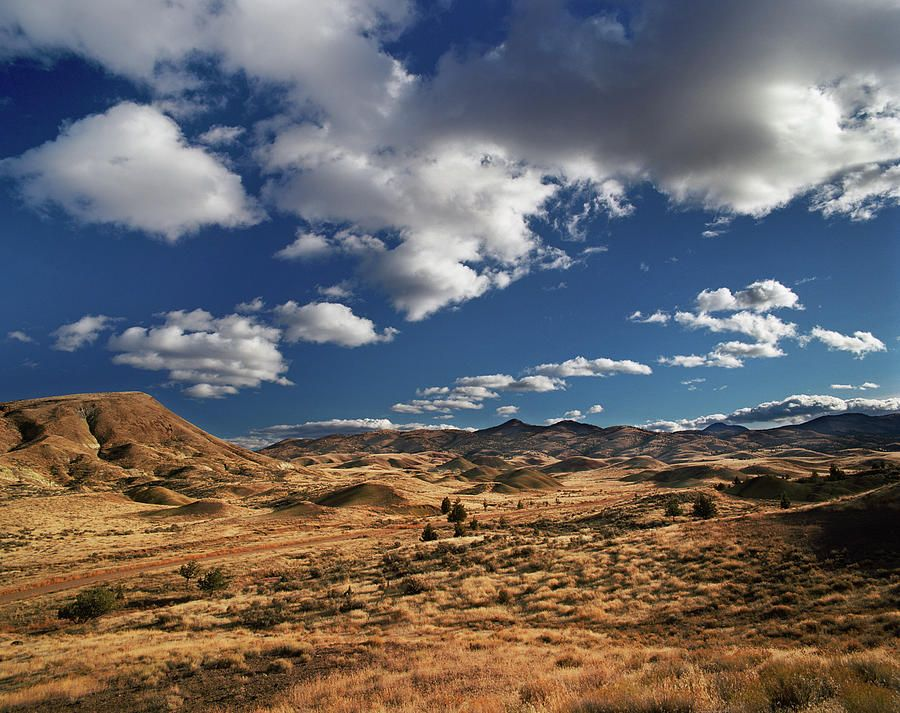
There’s something about the high desert that feels ancient and unspoken, as if time slows just enough for your soul to catch up with your body. Overhead, the sky stretches in a way it doesn’t anywhere else—wide, unbroken, impossibly blue. It’s the kind of blue that stops you in your tracks, makes you squint upward, and breathe a little deeper.
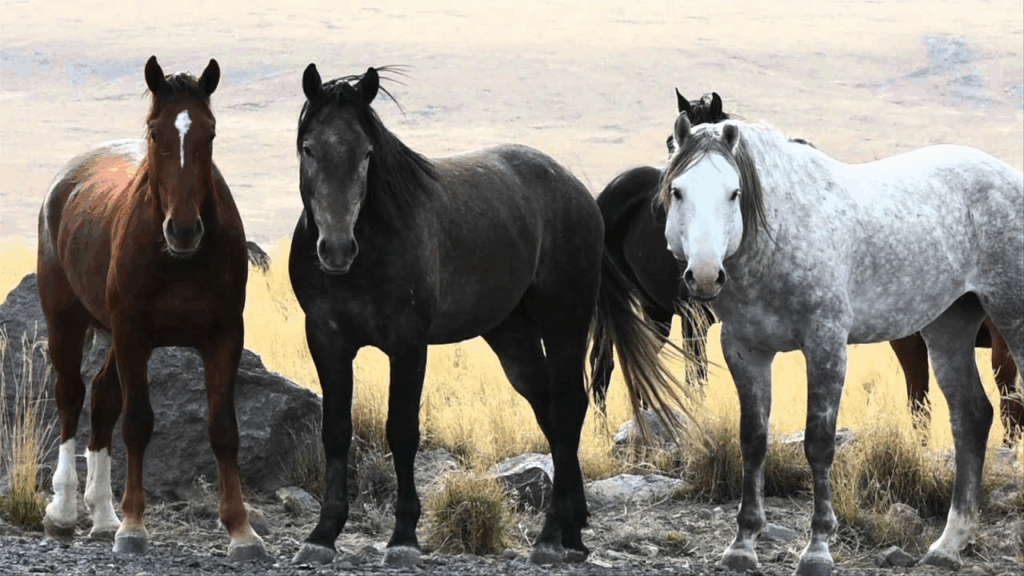
Every time HHH and I leave to run errands, I find myself commenting on the beauty of the surroundings. Growing up on a vineyard in the Central Valley of California, I never knew how luscious skies could be. That was until I moved to Nevada eleven years ago. The only thing that would make the desert any better is the return of the mustangs. As I wrote a couple of weeks ago, they are gone for good.
The high desert plains are not known for being easy. They are stark, windswept, sometimes lonely. The land rolls in soft undulations, dotted with sagebrush, scattered junipers, and the occasional jackrabbit vanishing into the shimmer of heat. But above it all, the sky is a balm—deep and clean, unmarred by skyscrapers, cell towers, or the haze of a too-busy life.
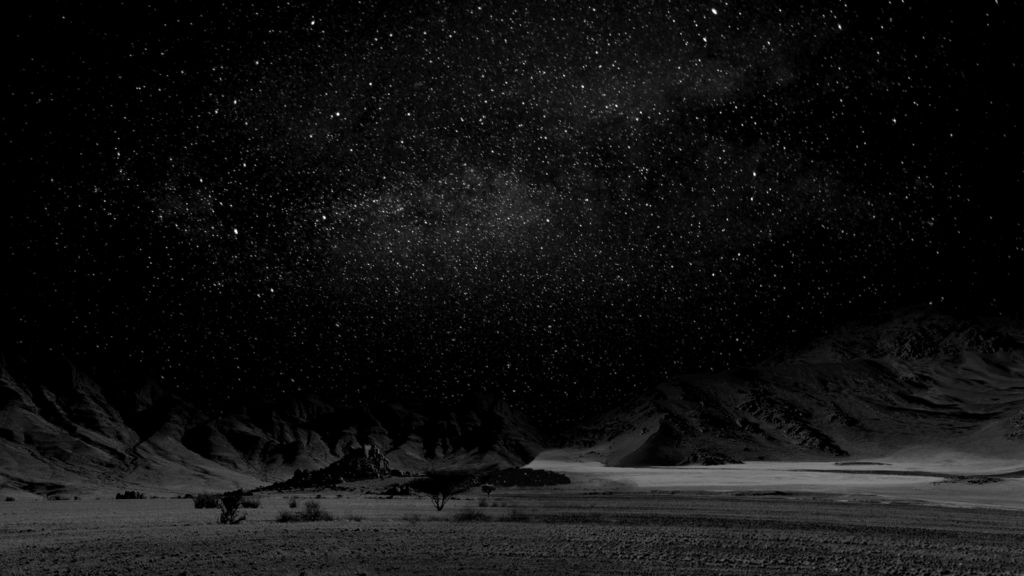
Being able to look for miles in any direction only to see open land is something city dwellers will never appreciate. Seeing snow-capped mountains one hundred miles away lifts the soul. The black of the desert night is something you need to experience to understand TRUE darkness.
In the early hours, before the sun fully wakes the land, the sky is a pale wash of silver-purple-ish-blue, hinting at the intensity to come. As the day builds, so does the color—azure at noon, shifting to cobalt by late afternoon. On clear days (which is most of them), the sky feels infinite. It pulls at your thoughts while opening your chest to invite you to dream.
There’s a kind of honesty in that sky. Maybe it’s the altitude—thinner air, less distortion. Maybe it’s the way the land below is stripped of frills and pretense. You can see for miles here, and you feel seen in return. The bluest skies aren’t just pretty—they’re revealing. Under them, you remember things: who you were before the world got noisy, what it felt like to be small and unafraid of it.
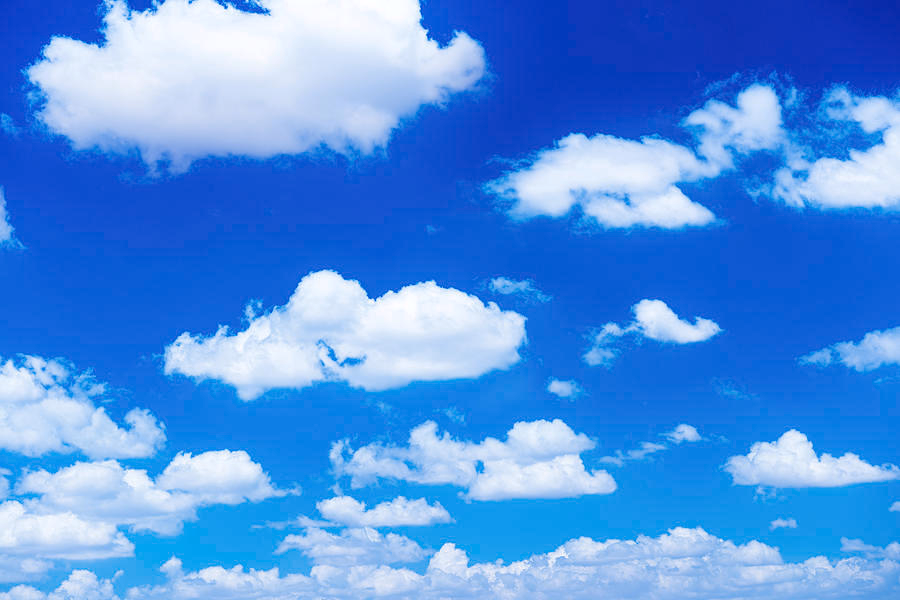
Clouds come and go like visitors—never overstaying, always moving. When they do, they add contrast, like brushstrokes on a canvas that doesn’t need painting but welcomes it anyway. During storms, the sky is a theater, where thunderheads roll in like ancient gods and lightning dances in the distance while the air stays dry.
The desert encourages us to look up. With so much open space, there’s no excuse not to. Out here, the sky isn’t just above you—it becomes part of you. A reminder that beauty doesn’t need embellishment and vastness can comfort as much as it humbles. Sometimes, blue isn’t the color of sadness, but of peace.
As a grieving widow in 2020, I found comfort in releasing balloons to mark the number of months I’d been alone. I can’t remember the color of the sky when I released the first lone balloon to travel toward heaven. Only 30 days widowed, I can tell you how the grass felt on my cheeks as I lay sobbing. The 12th release was on a bright sunny day, assuring me that travels through grief would become easier as the days went by.

The bluest sky is right outside my window today. With lots of gardening to do, I can’t wait to be out in the sunshine. Things are just healthier under our lovely skies.
If you ever find yourself on the high desert plains, take a moment. Look up. Let that blue fill your lungs, your heart, your memory. Because once you’ve seen it, you’ll never forget the bluest skies of the high desert plains of Northwestern Nevada.
More tomorrow.