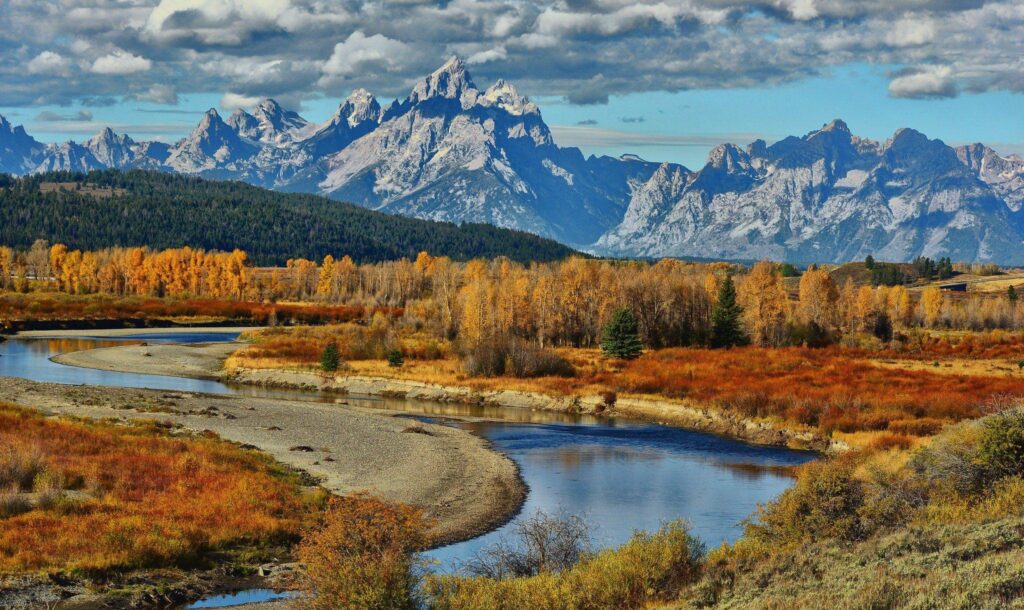
Taking Time

Headlines on any given day bombard us with disturbing headlines, tragedies, and voices pulling. The noise of social media scrolls on endlessly, the news cycle never pauses, and opinions often clash louder than they connect. Weary, stretched thin, and struggling to find clarity, we find ourselves in the middle of a digital storm.

Taking time isn’t a luxury but a necessity. In quiet moments, away from the constant hum of information, breathe, think, and begin to process what’s truly important. When tragedy strikes, like the sudden loss of Charlie Kirk or Iryna Zarutka, we’re reminded that life is fragile, unpredictable, and too often filled with pain. Grief, loss, and the weight of events like these require space to sit with our feelings, reflect, and simply be.

During that pause, powerful things can happen. We begin to hear not only the noise of the world, but also different perspectives and voices we may not have noticed before. Listening deeply does not mean abandoning belief. It means expanding our understanding, letting compassion and patience guide us instead of fear or anger.

In the same breath, we must lean on deeply held values. In a world where misinformation can spread faster than truth, it’s more important than ever to rely on scientific facts and wisdom that is tested and true. When we pair careful listening with careful reasoning, we move closer to decisions that honor both humanity and reality.

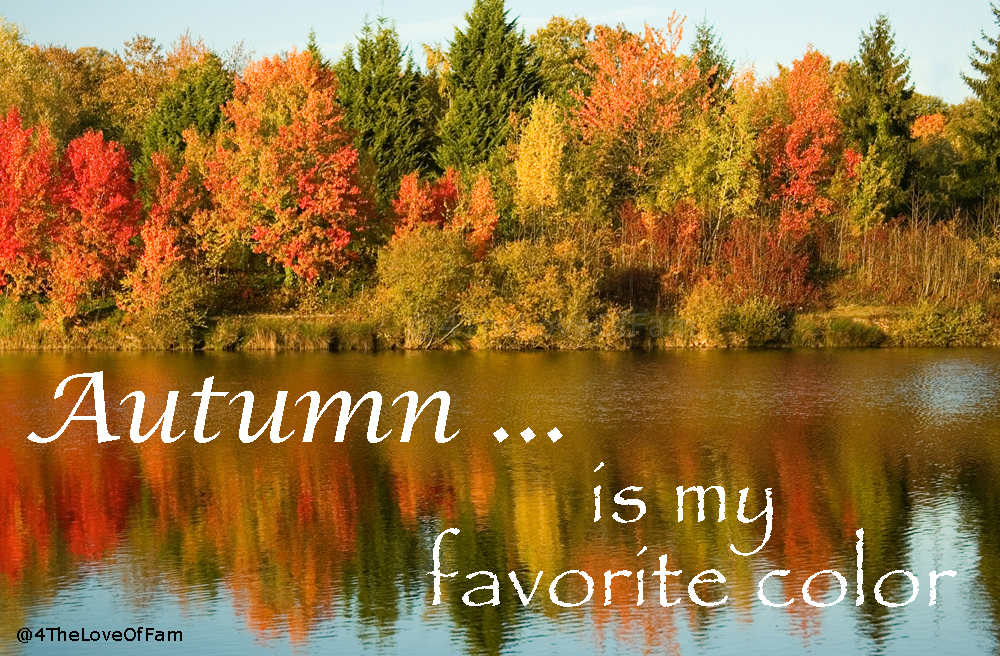
At this time, I’m taking a few days of peace as I watch the quiet dance of falling leaves. I’ll be back September 25. In the meantime, please take time to enjoy moments of stillness and quiet reflection. Offer a smile to a stranger, a helping hand to a neighbor, or a word of encouragement to someone who needs it. Small, random acts of kindness have a greater effect on this old world than we can ever imagine.

Tragedy teaches us not only about loss, but about the importance of faith, hope, presence, compassion, clarity, and love. Taking one step at a time, move forward with grace, wisdom, and deeper love for one another.

Where Were You On 9/11?

I’d been a grandmother for less than a month when the world shifted beneath our feet. A second grandchild was on the way. My two boys and daughter-in-law were all serving in the United States Air Force. I was teaching third grade and farming the same land my great-grandfather, grandparents, and aunt had worked during World War II. The morning of September 11, 2001 felt like every other day, and then, in an instant, what we thought we knew about tomorrow was gone.

At my usual morning stop at Klein’s Truck Stop, the cashier said a small plane had hit the World Trade Center in New York City. Wow. There was always something crazy in New York. By the time the sun finished rising over the Sierra Nevada Mountains, we’d find out just how much we didn’t know.

Ground Zero, New York City

As school began, I remember walking into my classroom after being with adults who couldn’t stop crying. The principal, teachers, secretary, and even parents who had come in for a conference were in shock. My littles were small enough to think grownup tears were the most important thing to notice. They asked, quietly and with blunt child logic, “What happened?” I gave them the simplest truth I could. Somewhere, very far away from our little school, something terrible caused lots of people pain. We couldn’t fix it with answers I didn’t have, but we could hold one another, breathe, and keep the room safe while the rest of the world tried to understand.

My kiddos rose to the occasion in the sweetest, most honest way. While the adults tried to make sense of the news, my class drew pictures and wrote letters to NYPD fire and police, doctors, nurses, and strangers who were working, helping, and grieving. They packed those small envelopes with hope and faith that their words would matter. After all, writing is life. At the end of the day, we mailed those letters to the New York City Fire Department, a testament that even the littlest hands can reach out and try to mend something far bigger than themselves.

US Pentagon 9/11 Memorial Site

Years later, on September 11, 2014, at a town service during my last year teaching with the district, a young woman stopped me. She was one of those third graders. She remembered our day together and how we wrote and colored while comforting one another. She told me my words had helped her then. For a moment, we were transported back in time to that classroom table in 2001. Those are the moments that keep the memory alive, showing how small acts of kindness matter decades later.

Shanksville, Pennsylvania –Flight 93 National Memorial

Life did not — and will not — return to what it was on September 10, 2001. Things large and small, political and personal, changed forever that day. In some places, schools choose not to dwell on it because it is too painful for young children. How silly. I remember the brave, simple compassion of my students who wanted to do something meaningful to help on that horrible day. Remembering does not have to be only about the horror, but can also include the kindness that helped that day.

Today, take a breath and think back to where you were that day. What were you doing to make a difference? Were you small and confused, like my third graders, or grown and scrambling to understand? Twenty-four years later, think about the lives that changed in an instant. Let that memory lead you to a small act of kindness, either by donating, volunteering an hour, or calling someone who would appreciate being remembered.

Tunnel to Towers has become my go-to. As with any charity, it’s wise to learn about its leadership and finances. For inspiration from ordinary people stepping up when called upon, watch Come From Away, the tale of Gander and the small town that opened its heart to strangers.

We can never forget. Not for one blink of an eye. Not for one quiet morning when the sun rises as it always has. Remembering is not merely an obligation but a way to teach the next generation how to be human in the face of heartbreak: to mourn, to help, and to keep showing up for each other. Everyday.

Come From Away — Please find it and watch it. Learn about a little place named Gander on 9/11. You won’t be disappointed.

Do something kind today.

The Heavenly Math of Church Maintenance

Some people think running a church is about Sunday sermons, potluck dinners, and choir practice. Sweet souls. They’ve clearly never tried to calculate the sheer number of man-hours it takes to keep the building and grounds in good working order.

First, we’ve got the maid and her daughter. They sweep, scrub, and polish every other week. While doing so, they’re on the lookout for a broken this or that. They find new things that need fixing each visit. Without them, we’d be holding services in a sea of crumbs, coffee stains, and smears on every flat surface. That’s at least ten hours a month right there.

Next, there’s the small army of handymen. And by “army,” I mean the pastor with a toolbox, his trusty hammer, and a willingness to crawl under and over things most sane people wouldn’t. Add in the ever-present “consulting crew” of church elders who lean on the doorframe and offer advice, such as, “Get the level, that’s not straight.” We’ll call that infinite hours, because the repairs never end. A chip here, a ding there, and mysterious stains that appear out of thin air.

Then there are the volunteers. Bless them as they’re out there watering grass that resists being green, coaxing ancient roses to bloom again, and working to make the little house in the back livable again. They spend hours, even days, kneeling in flower beds, trying to keep weeds from achieving sainthood through sheer persistence.

And don’t forget the parishioners. They’re wonderful at quietly pointing out what’s broken. “Did you notice that spot on the carpet? Also, the toilet handle is loose. And by the way, the picture over the Keurig looks like it’s tilting to the left.” Sometimes they even fix things themselves! But most times, they just add to the list. Either way, they’re a huge part of the equation.

The pastor’s wife handles everything else. All the banking, bills, and communications when needed. She is the face and voice of our church. Gracious and lovely in every way, she’s the first to offer a welcoming hug and words of encouragement. Married decades, she supports our Pastor when he needs encouragement, as all pastors do. Together, they run a tight ship.

Of course, there’s also Ray. Or at least the ghost of Ray, who lives on in our hearts and occasionally seems to rattle around the building, reminding us how much he used to fix, tighten, patch, and mend. He set the bar high, and now in his absence, we hear him whispering, “The Keurig needs water and the fridge is a big smudged.” Thanks, Ray. We miss you.

So, when you add it all up, how many man hours does it take to maintain a church?
Answer: all of them. Every single one. From sunrise to sunset, and probably a few after midnight, someone is sweeping, hammering, pruning, fertilizing, watering, or tightening a bolt.

But you know what? It’s a labor of love. Because while things may get chipped, dinged, stained, squeaky, and occasionally over-watered, it’s the very hands of the maid, pastor, volunteer, parishioner (and yes, Ray) that keep the place standing tall and ready for another Sunday.

Besides, where else can you get a free workout plan that includes scrubbing, hammering, hauling mulch, and climbing ladders while laughing with friends? We call it The Church Challenge, available at a sanctuary near you!

More tomorrow!

Fall Is Here!

Black Rock Desert — Where have all the burners gone?

The light lingers for less time each day, folding itself away in softer hues. Nights arrive cooler now, carrying the fragrance of late summer and the quiet promise of autumn. September rain has polished the air, leaving a stillness that feels both new and familiar, like a long-forgotten lullaby. HHH and I love fall here in our little town.

City workers have been clearing drains and culverts to prepare our neighborhood for whatever lies ahead. These late summer storms are storybook perfect. The last one gave us a 30-minute lightning show, as huge bolts crashed across the sky.

On the edge of town, the mustangs’ presence is unwavering, a reminder of strength that endures through every season.

Here at Winterpast, the shift is tender. The crab apple is loosening its grip on summer, releasing leaves one by one, each a soft farewell. The apricot tree follows, as if reluctant but willing, surrendering to the rhythm of rest. The garden beds, once alive with color and harvest, stand quiet now, empty, yet dignified in their pause. Everything is ready for a trim.

Even the creatures adjust with grace. The squirrel has left its damp shelter for higher ground, and the hummingbirds, jeweled sparks in the cooling air, drink deeply in preparation for their long southern flight. Every small gesture seems to carry a message: it is time to let go, time to trust the turning.

Summer has been generous. It leaves behind memories of warmth, color, and life abundant. And now, Winterpast begins to undress, preparing itself for the long, healing sleep of winter. The earth reminds us that rest is not the ending, but the beginning of renewal.

In the midst of these comings and goings, there is this promise from God: “As long as the earth endures, seedtime and harvest, cold and heat, summer and winter, day and night shall not cease.” (Genesis 8:22)

Fall reminds us that nothing is wasted, nothing is forgotten. Every ending folds into a beginning, and every pause is held in God’s steady hands. With the temperature below 80 today, we can be found in our other office……

Goodbye, My Loves, Goodbye

There’s a kind of heartbreak that comes quietly when the soft hum of wings no longer fills the air. Again, it appears our bees are failing. We’ve given them a brand-new hive, time, care, water, food, and love, yet something is missing, and something is very wrong. A new honey super sits empty on top of the two main boxes. After months, not even a bit of work was done in an area that should have been full.

We wish they could tell us what we’ve missed. We’ve tried to listen, understand, and do better. We’ve tried different approaches throughout the season, and yet, they are again, failing. It’s not for trying. For goodness sakes, we’ve even got a bee expert on our side coaching our every move. The results have been the same.

Last week, we very carefully opened the hive hoping to see a little something in the honey super. It sat, pristine and quite empty, while the majority of the bees were still trying to figure out how to make wax in the two boxes below. They’ve never found their true home here in the high desert plains.

Bees forage in a two mile radius. Our desert doesn’t provide much in the way of blooms for them to enjoy. Most people in the desert don’t have a wildlife refuge like Winterpast has become. Most people around here buy a house, move in, close the windows, and let the backyard harden into a baked expanse of sand with water at a premium. Time is even more precious. Gardening is a lost art here in our little town.

Kolmanskop Abandoned Ghost Town in the Namib Desert – Photo Vide

Xeriscaping has overtaken common sense. Humans need gardens as much as the gardens need us. But, few people appreciate that anymore and the bees around here pay a heavy price.

Beekeeping used to be simpler. Back in the 80s, swarms were caught, and the bees went to work. A few stings were the price of honey, pollen, and a living rhythm that tied us to the earth. The bees were our resilient, buzzing, tireless partners. Perhaps after years of being raided, medicated, and disturbed week after week, they’re tired of it all. Here, they’ve just given up.

Today, mites and diseases strike with merciless persistence. Hives collapse for reasons that no one fully understands. I do mean NO ONE. Universities have their brightest minds working on the problem, which is massive. Last year, 70% of the hives in the US collapsed. We can treat, feed, and tend, but the end often comes the same. And it’s not just here but across the world that hives are dying off, one by one.

A friend of mine was quite distraught about the demise of the bees, predicting the collapse of all human food sources without pollination. No doubt, farmers desperately need bees. Thank goodness there are brilliant minds that propagate bees every year. New resistant varieties show a promising future. We all need to take a breath and remember that bees are not the only pollinators, just the domesticated ones.

There will always be bees, somewhere, just not in our backyard. Not in the new wooden boxes, not under the smoke’s gentle haze, and not in the gardens we hoped they’d roam and thrive. The silence feels heavy and final.

We’ll finish out the year. Their house has been reduced. We’ll check on them a couple more times before winter comes. Then, it’s up to them. If they can make it through months of cold, we’ll give them a glorious “Hello” in the spring. It’s all up to them now.

So, with a quiet kind of grief, we are hanging up our smoker and suits. Our hope hasn’t died, but it feels bruised, tired, and a little bit heartsick. Perhaps someday the hum will return. But for now, we’ll savor a few golden jars of honey, summer’s sweetness, and the lessons our bees have taught us. Even the smallest creatures carry the weight of the world.

Remembering Those We’ve Lost

Whispers in the Breeze

The wind takes hold of silver strings,
And softly, through the garden sings.
Each note a memory, light and true,
A song of love from me to you.

Though hands are stilled and voices gone,
Their spirit lingers, living on.
In every chime, a tender call—
They are not lost; they are with us all.

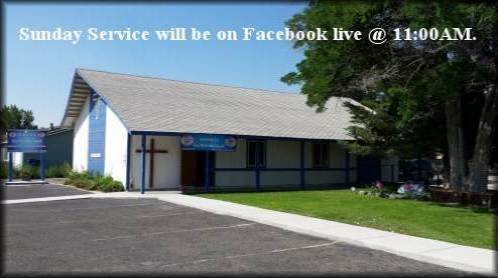
This morning, the meditation garden will be filled with activity. The new windchimes, hung with care, catch the late-summer breeze and carry their music into every corner of the church property. On Sunday, we’ll dedicate them, not only as decoration, but as a remembrance to those we’ve lost.

Each chime is a voice of memory, and together, they play a concert that will go on forever. For Marian, whose love of golf and fast cars brought energy and laughter wherever she went. For Ike, whose devotion to the Bible and his family grounded him with strength and grace. For Ray, who chose to move to heaven instead of California, leaving us with a smile and a story only he could tell. For these and the others that have gone before us, we’ll dedicate these beautiful chimes.

After our Bible breakfast this morning, we’ll tend the garden as we spruce up the new roses and spread mulch to keep the beds fresh and pretty. There’s plenty of raking, for the storms have brought down more pine needles. The fountains need water, and we might even put out a little seed for those birds that struggle this time of year. Church gardening always feels like an offering and a way to honor those we miss so dearly. When we’re done, all we’ll need to do is wait for Sunday.

The garden is more than a place of quiet reflection. It is a living memory, growing and blooming with every season. As the chimes sing in the wind, we’re reminded that though we’ve lost Marian, Ike, and Ray in this life, their love still whispers among us—gentle, steady, and everlasting.

Lord, we thank You for the gift of memory,
for the lives of Marian, Ike, and Ray,
and for the ways they touched our hearts.
May these windchimes sing as reminders
of joy, of faith, and of love.
Bless this garden as a place of peace,
where those who enter find comfort,
and where the voices of our loved ones
echo gently in every breeze.
Amen.

Have a wonderful weekend. I’ll be back Monday!!!

Fall Is the Best Time of All

The first signs of change have come quietly. The kids have returned to school, our mornings marked by the rustle of backpacks and the hum of yellow school buses. The tempo of life has shifted, not with fanfare, but with the return of routine. Out here on the high desert plains of Northwestern Nevada, a five-minute cross-town trip to Walmart can now take 15 minutes, intensifying traffic as parents drop off their children while releasing a collective sigh of relief.

Even in our small town, the reality of life in 2025 is harsh. On the first day of high school, a false report of a school shooting came before the first bell. Thankfully, it was a nasty prank played out on social media. Since then, everything has been smooth, except for the additional yellow buses on our roadways.

Go Vaqueros!

Another monsoonal system brushed across the desert, sprinkling the sage and sand with just enough rain to release that familiar, earthy fragrance. It’s a gift that comes sparingly in our area, after which the desert seems to pause and breathe deeply. The mountainsides around here are a nice shade of green.

The wild mustangs have drifted down from the high country, their coats sleek against the late summer sunshine. They move with a knowing grace, as though answering an ancient call carried on the wind. Their presence near the valley floor is a reminder that the season is changing, that even in wide, open spaces, life follows its own rhythms of retreat and return.

In the garden, the peonies have laid themselves to rest with blooms spent, their beauty folded back into the earth. They’ve “turned up their toes” for another year, making way for the subtler colors of autumn. Overhead, hummingbirds sip at feeders one last time, their wings a blur of urgency. Soon, they’ll migrate south, chasing warmth and blossoms yet to come.

Even among people, migration begins. The snowbirds are leaving on their own journeys, packing up campers and steering toward milder climates. Slowly, driveways empty, and RV’s are on the move. Don’t think for one moment that the week after Labor Day is a great time to visit the National Parks. Parks are clogged with retired Seniors this week, who waited until the kids are back in school. Been there, done that. It’s a different kind of unpleasant.

Here, fall arrives not in a rush of color, but in whispers with cooler mornings, longer shadows, and the hush of wings in flight. It’s a season that asks us to notice the small shifts, settle into the comfort of change, and to honor the steady turning of time. On the high desert plains, where the sky feels endless and the land holds its secrets well, fall is less an arrival than a gentle unfolding.

During this unfolding, I feel gratitude for the mustangs that remind me of resilience, for the fleeting blooms that teach me about rest, for the birds that carry on with certainty, and for the desert itself, which, even in its sparseness, offers abundance in rhythm and grace. I’m grateful to be a part of such beauty.

Would You Please Paint the Trim?

Something as innocent as painting the trim on the house can lead to a cascade of home beautification projects. As promised, here are some pics of the projects! Enjoy.

Winterpast — Before

If you give your wife some painted trim,
She might notice that the front yard looks a little bare.

If she notices the front looks a little bare,
She’ll probably want some plants.

Shopping trip….
Winterpast driveway

The new flower beds across the drive are beautiful!

Once you install six yards of new bark for her,
She may notice you need ten ton of river rock for the border.

The rock pile is shrinking, but slowly.

Once the new rock is installed,
She’ll picture redwood garden boxes, perfectly placed.

Once the garden boxes are moved from garden to front yard,
She’ll definitely want them freshly stained.

Once they’re painted,
She’ll need them filled with fresh dirt.

And, what are handcrafted redwood garden boxes without custom drip irrigation?

Once the new dirt is installed,
It’ll be back to the landscaping store to buy five more yards of bark.

And to finish the job, she’ll mention that you have some left over rock for a 12″ border next to the front walk..

After six long weeks, once the front yard is in order,
You’ll step outside together with morning coffee to enjoy the back yard.

Looking at each other, you begin the new list together……

If only the back yard had new bark and neat rock borders around the beds……..

Deep sighs can be heard throughout Winterpast.

And so it goes………

Have a great Wednesday!!

Tales From the Monsoon Front

If there’s one thing desert life teaches you, it’s to expect the unexpected. A lizard in your shoe? Sure. Your car taken over a flash flood? Why not. But the most recent addition to the growing list of “What Fresh Nonsense Is This?” arrived during last week’s second biblical-level monsoonal downpour. Our archenemy, the dastardly squirrel, came begging for cover like a wet, twitchy refugee.

Yes, that squirrel. The one who’s been treating our porch like a warzone for the past year. The one who chews through bird feeders, mockingly stares me down while I drink coffee, and once ate 150 brand new seedlings I’d just grown from seed. He’s not just a nuisance. He’s a fuzzy little menace with boundary issues. And then? He squatted on our porch like we’re old college buddies huddling out a storm together.

But let’s rewind.

Yes, this is the actual road to Winterpast, under water.

The desert, in its infinite irony, decided to turn into a swamp last week. Not once, but twice. Rain came in sheets, sideways, upways, probably down from space. Burners were camped out all over town, their RVs shimmering under the weight of soaked hopes and soggy costumes. The roads turned to pudding. People with “low” houses found out just how literal “flood zone” really is. The sage plants didn’t know what to do. The dogs were confused. It was chaos.

At least the mustangs around here don’t get stuck in the mud………

In the middle of this monsoon madness, up scampered Sir Drenched Nibbles, aka the squirrel, eyes wide, tail limp, soaked to the bone like a rejected extra from a wildlife disaster film. He looked up at HHH, rain dripping from his whiskers, and I swear he mouthed, “Truce?”

For a split second, HHH didn’t know what to do. Do you close the door in the face of your enemy? Or do you let him huddle under the eaves while nature gives him the same cosmic wedgie it gave the rest of us?

HHH did the right thing. He chased that little bugger back out into the storm while I sat inside, sipping a Diet Coke. As he ran away, glaring at the rain I’m pretty sure he was planning where he’ll bury peanuts in revenge.

We haven’t seen him since.

Meanwhile, out here in the desert, the sun has returned with enough humidity to make our Oreos go limp. The puddles are slowly retreating. But we’ll never forget the day our furry nemesis came looking for mercy during the strange desert monsoon that left Burners questioning their life choices. As for us? The chance of storms continues this week. Bring it on!!! We’re ready.

Have a Terrific Tuesday!

Adios, Au revoir, Arrivederci, Goodbye

As Burning Man winds down and our streets fill with muddy vehicles, art cars on trailers, and people wearing everything from fur coats to… not much at all, our town will take a breath.

Yes, it’s that week. Traffic gets weird, coffee shops get crowded, and someone might ask you where to buy glitter or goat milk soap at 7 am, and it’s easy to get annoyed. But this year, we’ll try something different by leading with kindness. We’ll let them go ahead in line this time. Waving to them into traffic, we’ll smile, even if they’re blocking the gas pump while tying a mattress to the roof.

Remember that this is temporary. Actually, we probably seem just as odd to them. I’m sure they question how anyone could live here year-round without Wi-Fi made from solar-powered crystal pyramids. To them, it’s a puzzlement.

We’ll do our best to find humor in the inconvenience. After all, how often do you get to see a man in a tutu politely buying brake fluid?

It’s not every week that one survives 50 mph winds blowing clouds of dust, a torrential downpour, choking smoke from a raging wildfire, an electrocution with life flight involved, and a cold, dead body in a pool of blood. That’s a lot to experience in seven days.

These folks are tired, dusty, and probably still processing whatever happened out there on the playa. We’ll send them off with love until next year, while our little town will be the calm in their reentry storm. Maybe we could all throw in a collective prayer that they find a real shower soon.

Kindness and patience cost nothing, while sending ripples of goodness far beyond this moment in time.

So let’s show them how good it feels to come back to the “default world.” Be the peace, the grace, and the kindly neighbor they’ll never forget.

With that, here’s a small prayer as they pass through:

May we slow our pace as the world rushes by.
Soften our hearts, even when dust clouds our view.
As we embrace the strange,
Let us temper our impatience with understanding.
Grant us tolerance for others,
And let kindness be the gift we offer freely this very day. Amen