Kidnapping in a Small Town

In a quiet little town, where neighbors greet each other by name and front doors are often unlocked, the unthinkable happened. Last week, three boys were reported missing under circumstances that the sheriff is now calling a kidnapping.

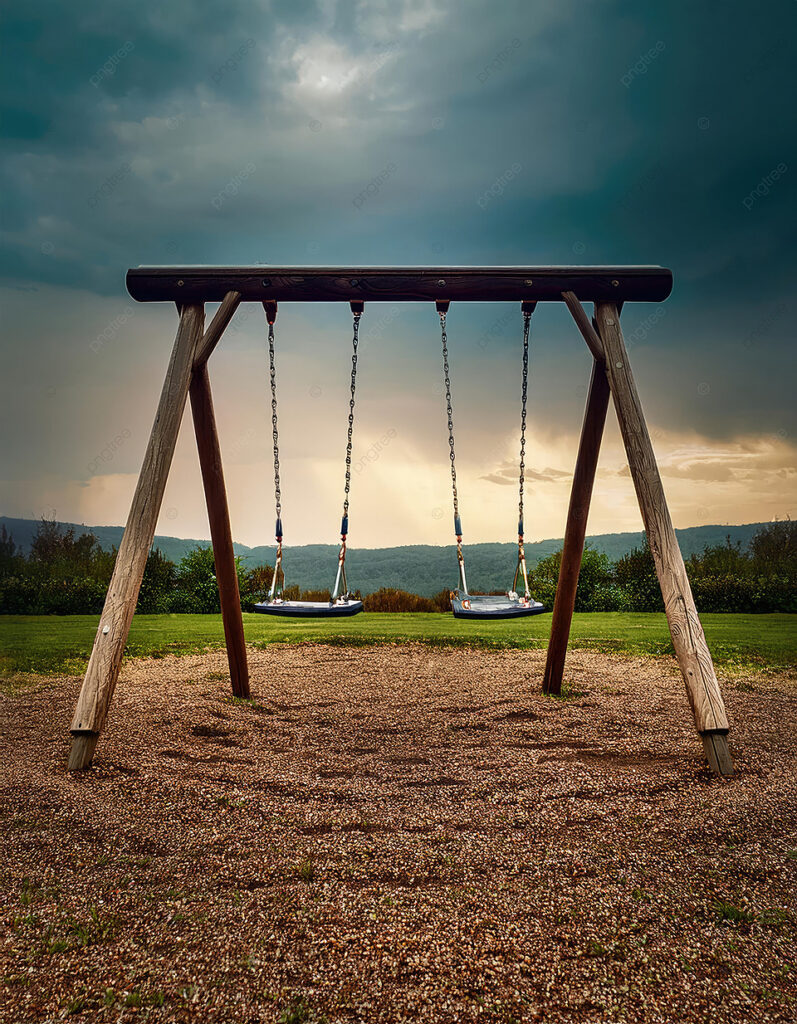
Happily playing in broad daylight at a local park, three ten-year-old boys disappeared, and what began as an ordinary afternoon quickly became every parent’s nightmare. As law enforcement agencies launched a frantic search, their families united in shock, fear, and grief.

According to local police reports, the children disappeared late afternoon last Tuesday. Within an hour, all three had vanished without a trace. Because of a strange text, family members alerted the sheriff, and the search began.

Within hours, the youngsters were located under the crawl space of a home just feet from our church. The kidnapper convinced them to follow his instructions or they’d be killed. They were beaten and terrorized during their time in captivity by one crazed individual.

The boys were found by locating the last ping of their cellphone. The kidnapper was arrested and the boys taken to a hospital for treatment of their injuries. Thank goodness for technology.

Throughout this ordeal, most of the community wasn’t aware. Other than a police presence in this one small neighborhood, the rest of the residents went on with life as usual.

The next day, the police asked our Pastor to review the church’s surveillance videos. Sure enough, the three boys and their kidnapper were there, walking along the road. The kidnapper hadn’t planned well and had to lift a child over the fence to have him unlock the gate from the inside. From there, he made the children go under the crawl space of the house.

Beneath this story lies a deep and aching question: Why?

Why would someone target three innocent children in such a small, tight-knit community? How can these tragedies by prevented?

This incident serves as a devastating reminder that even the “safest” places aren’t immune to danger. It highlights the importance of community watchfulness, robust child safety measures, and immediate response systems. The case has reignited a difficult but necessary conversation: stranger danger is real, and closer than we think.

For decades, we’ve taught the phrase “stranger danger” in schools, homes, and daycares. But the reality is, children are still vulnerable to manipulative or predatory adults, especially in moments of brief inattention or false trust.

This is not fear mongering. The truth is child predators often look and act ordinary. That goes for ANY predators. Often polite, they can be well-spoken, and sometimes familiar. The idea that danger always “looks dangerous” is a myth that must be broken.
It’s difficult to strike the right tone when talking about threats like this. Empowerment works better than fear. Teach children:

  • Never to go anywhere with a stranger
  • Not to trust adults who ask them for help
  • To scream, run, and find help
  • That it’s okay to say no
  • To always check in before changing locations

If this tragedy leads to even one child being safer, more aware, more empowered—then these boys’ stories will not be forgotten. Remember, seniors are vulnerable, too. Always be aware of your surroundings.

We’re thankful that the children were found alive and pray for a complete healing.
More tomorrow.

Viruses

This week, I updated with a brand new computer. Having held on to Windows 10 for as long as possible, I decided it was time to renew and reinvent the way I blog. Monday, the huge box arrived.

This computer is everything I hoped it would be and more. It works faster than I can think. Sleek and beautiful, the monitor glows as it displays gorgeous imagery. All week, I’ve been learning a little of this and a little of that. Having heard so many bad things about Windows 11, I was a little leary to change. I shouldn’t have been, as everything makes sense, so far.

The old computer is still in the kitchen nook wondering where the heck I went. Migrating to the studio for a total reset, the old computer will remain for use on days we need a second space to work.

One of the first things that came up was the decision of which anti-virus software to install. With that handled, the new computer is safe.

I wish it was the same for me.

Another desert virus has attacked. This year has been a bad one here in my little town. Missing Bible study last night, I’ll be resting and healing for the next week’s fun.

As you all know, girls just want to have fun. With plenty of Kleenex in my suitcase, I’ll be off for a week of giggles and fun with besties. HHH has promised to give the seedlings plenty of water and cuddle the puppies until I return.

Whatever you do today, stay well. If you are sick, stay home. If you are well, try to avoid those who are sick. Viruses these days are nothing to mess with. I’ll be back on May 12th with lots to tell.

National Day of Prayer

Today, millions across the United States are observing the National Day of Prayer. This is a time set aside for individuals of all faiths to unite in reflection, gratitude, and hope. Rooted in a long-standing American tradition, the significance of this day extends far beyond ceremonial gestures. It offers a moment for the nation to pause, breathe, and seek guidance, both personally and collectively.

Today, I’ll ignore the external noise of daily life, as well as my own internal clutter. It’s easy to go through the motions while skimming past headlines or seeing dates on the calendar without really noticing them. This day is an invitation to pause, breathe, and turn inward to pray.

In a world that often feels divided, prayer whispered in solitude, chanted in community, or held in silent hope, is a reminder of things that connect us across traditions. You don’t have to believe or pray the same for the act to mean everything. At its core, prayer is about humility, presence, and hope.

For me, prayer isn’t a grand declaration. It’s more of a conversation in quiet moments of requests for clarity where there’s confusion, peace where there’s unrest, and healing where there’s hurt. It’s also a moment for listening—something I’m working on.

Lift up those who are praying for strength to face illness, reconciliation in a fractured relationship, or justice where it’s long been denied. May those who don’t pray, but live filled with compassion, purpose, and service find blessings in their daily lives.

The National Day of Prayer isn’t about religion. It’s about the collective spirit of a people willing to seek, reflect, and hope together. In a time when headlines highlight so much of what separates us, days like this remind me of the threads that quietly bind us. The real power of prayer resides in the posture of our hearts.

Congress officially established the National Day of Prayer in 1952 during a period of post-war uncertainty and cultural shifts. Leaders recognized the power of a nation turning inward, through prayer or silent reflection, to strengthen its spiritual foundation and inspire compassion, community, and ethical leadership. President Truman signed it into law, and in 1988, President Reagan amended the act to set the first Thursday of May as its annual date.

In today’s fast-paced world, days like these are a reminder that stillness has power. Whether approaching prayer as communion with God, as spiritual contemplation, or as a meditative pause, the National Day of Prayer calls each of us to connect with something deeper than our daily routines.

On this National Day of Prayer, whether you’re lifting a quiet petition or participating in a community gathering, take a moment to reflect not just on your journey, but on the shared story of us all. In listening, asking, and hoping, find peace.

The Great Squirrel War: Pellets, Gas, and the Sun-Powered Apocalypse

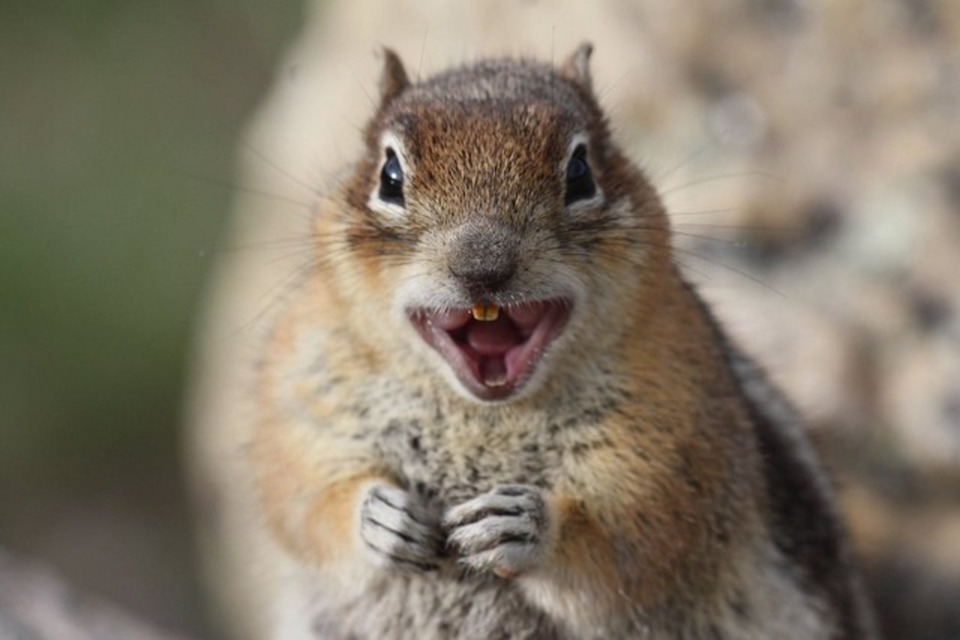
It all started with a rustle. Just a little rustle in the garden, the kind you ignore because maybe it’s the wind. But this rustle had attitude. This rustle meant business. This rustle had a bushy tail and zero respect for property boundaries. I promised I would update you when I had news and boy do I have great news! The squirrel is gone!

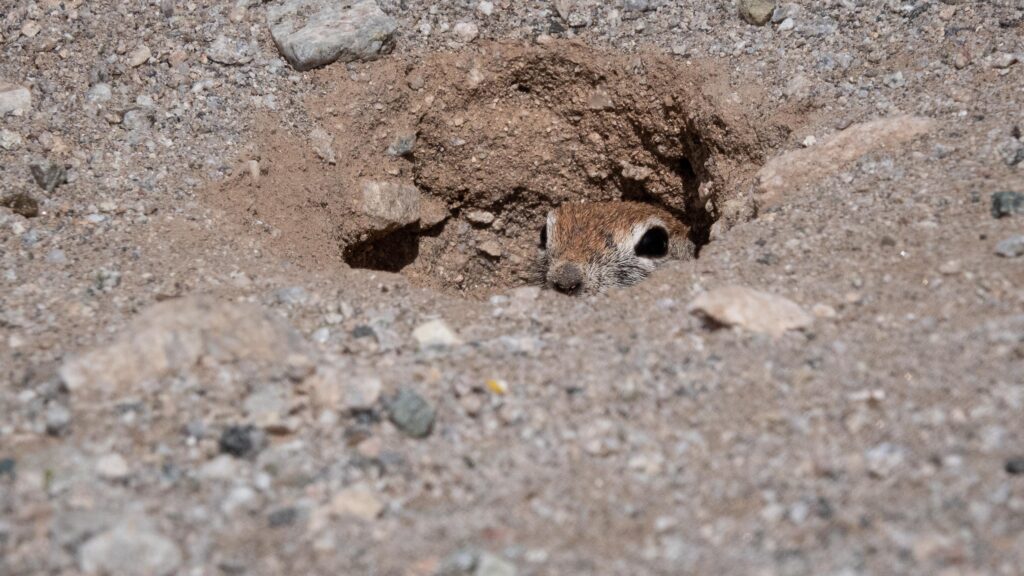
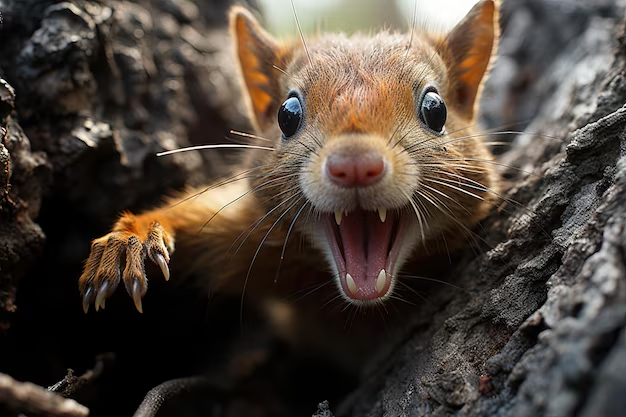
This rodent wasn’t your run-of-the-mill nut collector. He an alpha backyard marauder—territorial, aggressive, and possibly hopped up on fermented birdseed. He dug holes like he was planning a subway system, ate seedlings like candy.

As you all know, I did what any rational adult would do: I declared war

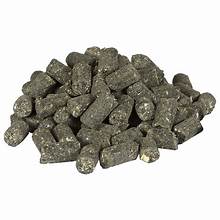
HHH and I gathered our first line of defense. Deadly gopher pellets.

Palatable Pellets! Yum!!! Not.

We sprinkled them like seasoning a gourmet squirrel salad. The directions said something vague like “Apply liberally to active burrows,” which, in this case, was anywhere within a three-mile radius. I imagined this creature sniffing the stuff, coughing, and dramatically packing his bags like, “Well fine, I see how it is.”

Nope.

Instead, he doubled down and made more frequent appearances.

And so, the challenge was on. Something was going down, and it wouldn’t be the petunias.

We went full action movie villains and bought gopher gas bombs—little chemical canisters that you light and shove into a burrow like a suburban depth charge. The instructions came with warnings like “Do not breathe,” and “Do not ignite near house.”

HHH lit the fuse, shoved it in the burrow, and waited like a patient assassin. And then… nothing. Not a whimper. Not a cough. Not even smoke. Nothing at all. And, worse than that, the destructive visits continued.

Broken, beaten, and deep into rodent warfare, we finally turned to technology. When cleaning out the shed, I found a solar-powered vibrating stake that claimed to “repel underground pests through pulses and vibrations.”

I was skeptical. Mostly because this squirrel didn’t live underground—he lived in my soul at this point. But desperate times called for desperate measures. I deployed this little device and then forgot about it.

The very next day, HHH brought out the gun and we were ready. This squirrel would enjoy his last visit to Winterpast. That’s all there was to it. It was going to die at the hands of My Mysterious Marine.

And this time… something changed.

The squirrel moved out.

At first, HHH waited by the back door with the pellet gun. One shot and the ordeal would be over. But, the squirrel never reappeared. Just like that, his hole is as empty as the flower garden.

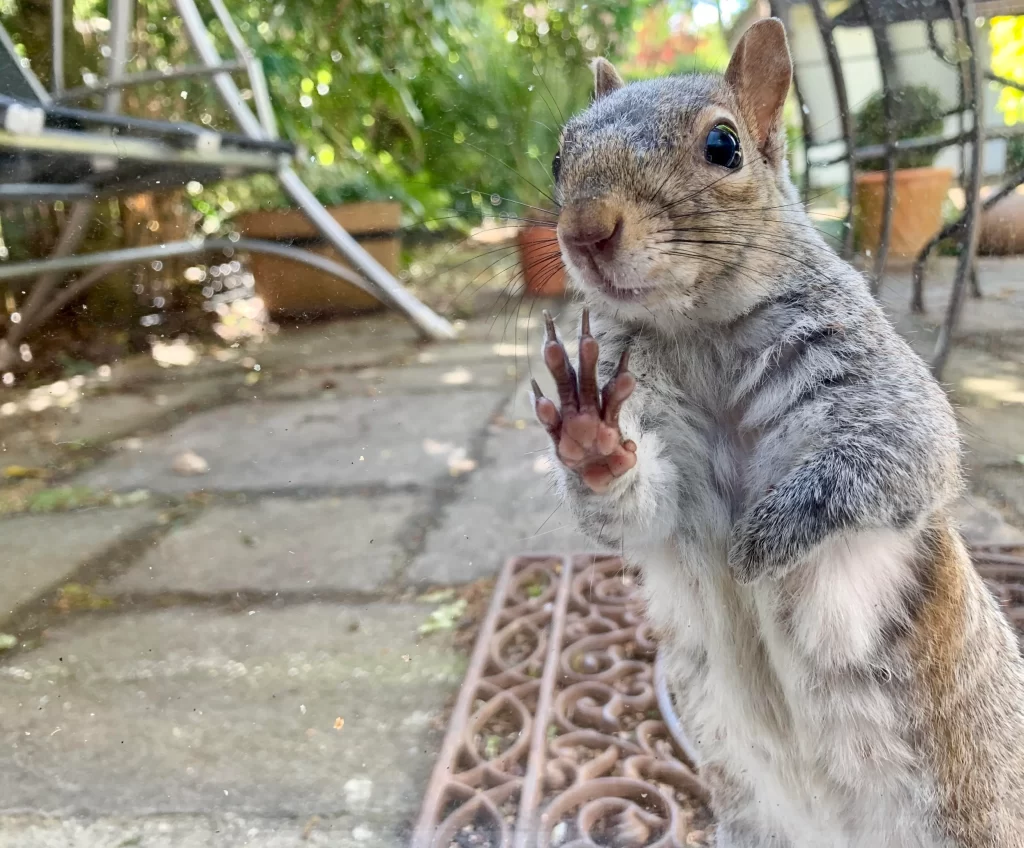
Gone. Just like that. One day he was shimmying up our bird feeder pole, and the next, vanished like a tax return in April. Did the vibrations work? Did he finally get bored? Did he move to the neighbor’s yard with better seedlings?

A friend inquired about our seedlings the other day and I mentioned the problem with the squirrel.

“Ohhh, my dad just told me about a device that puts vibrations in the ground. Works swell. His squirrels moved out. Have you heard of it?”

Well, at least now we have a better idea of why he left.

I still wake up sometimes in a cold sweat, swearing I heard a chitter outside. But for now, peace reigns in the backyard. The new seedlings are sprouting. The lawn is healing. As for HHH and me? We’ve learned that sometimes it takes a little sun-powered passive aggression to win a war.

Stay vigilant, fellow gardeners. And never underestimate squirrels.

PS–

Not so fast. Another sighting has been confirmed within the last few minutes. The war continues. Stay tuned.

YouTube Has the Fix

Spring and summer barbequing happen often here at Winterpast. HHH creates the most wonderful steaks and ribs, making it seem like they cooked themselves. That was until his Traeger started screaming like a banshee every time it was turned on. The squealing was so loud, he decided he’d put BBQing on hold for a while. Well, spring has sprung, and that time has arrived. Last week, it needed fixing.

All we needed was a troubleshooting guide and YouTube.It’s amazing how many quick repairs can be found online. With a video and troubleshooting options, we were ready to fix the Banshee Barbecue using the power of the Internet, some grease, and a screwdriver.

First, we needed to identify which of the two fans were squealing. Unhooking the first one, the squeal continued. But, when the second was unhooked ear-piercing noise stopped. Without cuts, or electrocutions, we’d located the problem.

Everything was just as the YouTube repairman had instructed after we had entered “How do I fix squealing Traeger”. Thank goodness it was the $20 fix instead of the $420 fix. We were careful to choose the on-line repairman that was easiest to follow.

On YouTube, we’ve found answers to beekeeping questions, advice on how to care for engorged teats after weaning a litter of puppies, and how to open the hood of a Ram Truck. The last one was necessary when I first became widowed and didn’t yet realize the true value of YouTube.

After watching the entire video, we searched for the necessary tools.

HHH needed the following:

  • A screwdriver
  • WD-40 or silicone lubricant
  • A clean rag
  • A vacuum

Once everything was unplugged, he followed the instructions on the video like a pro. In no time at all, everything was back in place. Reassembled and running, the fan sounded like a gentle breeze rather than a tortured squirrel. A thorough cleaning and a little grease fixed the problem..

There is nothing more tantalizing than a man who can fix anything! HHH, you are my hero!! Can’t wait to enjoy a season of your delicious BBQ’d meals.

Now, let’s find a video to fix the next thing on our list!!

Replanting — A Gardener’s Guide to Heartbreak

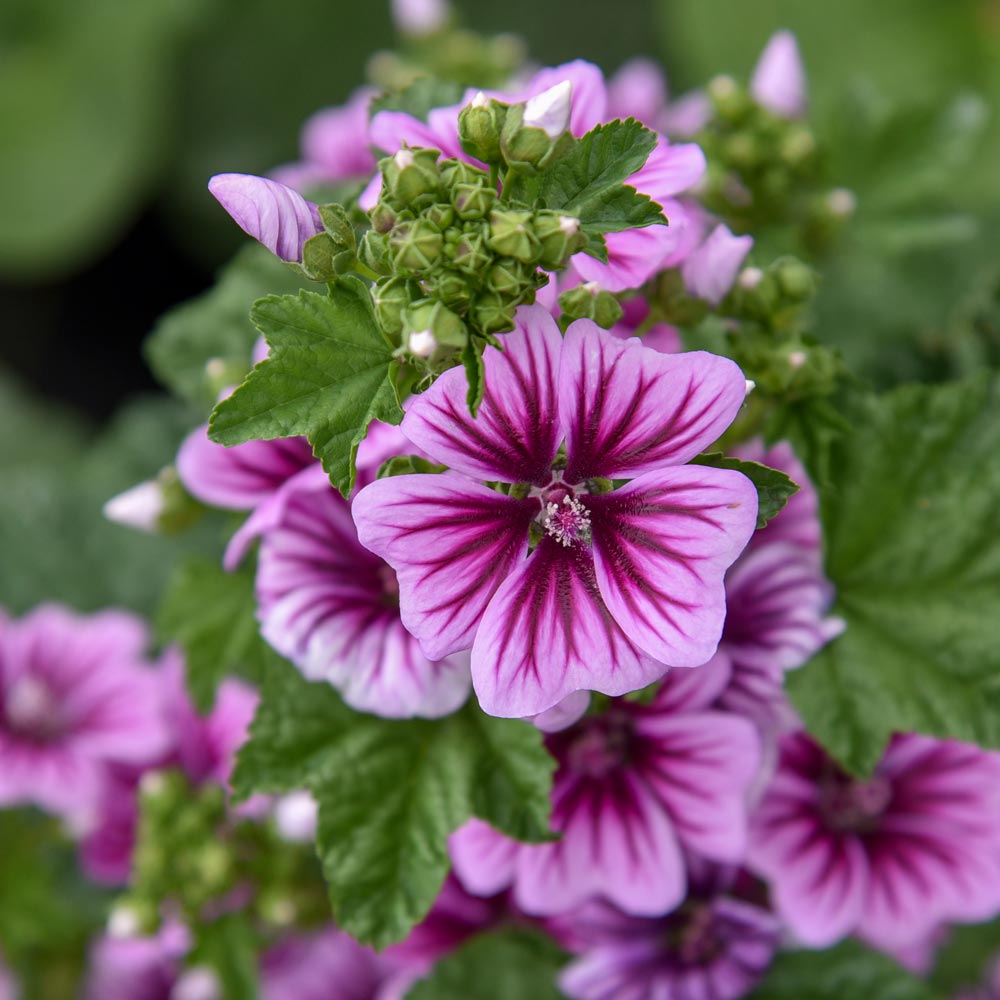
This spring, I did what every optimistic gardener does: I planted hope in the form of tender, innocent seedlings. With careful precision, I arranged rows of Black-Eyed Susan’s, Purple Cone Flowers, Lupine, and Shasta Daisies, each one a promise of cut flowers and happy blogs. This took the better part of a day two weeks ago. The gardens looked stellar.

And then… the squirrel moved in. Disaster came with tiny little teeth that mowed down my hopes and dreams. All that remained of the Zebrina were tiny little stems. As for the Yarrow, they were plucked from the ground with no sign that they The Aster’s survived, but only remain because they were planted in higher boxes.

You’d think he’d show up in polite, bushy-tailed fashion and nibble respectfully, taking one bite and moving along. No. He wasn’t an average squirrel, but a hardened, seasoned, flower-pillaging marauder who recognized our garden as an all-you-can-eat buffet. If it had thumbs, it would have given it a 5-star review with several enthusiastic tail flicks for good measure.

Teasing us from a variety of mysterious holes, he never buried any acorns. He simply flamed the grudge I have against him. Ready to give up and have a flower-less yard, HHH shamed me a bit. Was I going to let a little rodent win this war??? Was I that weak??? Where was my fighting spirit? All excellent questions that renewed my quest for success.

So far, we’ve invested alot in this years floral crop. There are the heirloom seeds, because no one wants genetically modified anything. Organic fertilizer to boost bloom production. Mulch of the highest quality. Peat pots, specially sprouting soil, and hours and hours of love to get these babies to grow under new lights necessary to grow fabulous plants.

After THE incident, one more expense nearly gutted me. A trip west to replace all the flowers on their way to blooming. There’s a direct relationship between filling the back of an SUV and an empty wallet.

One thing that can’t be replaced is the stretched and aching muscles used during one afternoon of seedling planting. Gardening, in theory, is good exercise. In reality, it’s a series of yoga poses invented by a sadist. I performed the “downward dig,” the “wheelbarrow shuffle,” and my personal favorite, “accidental knee-in-mulch scream.” By Sunday evening, I was the one with the heating pad. That day had been so happy and relaxing, with a dedicated bed for each type of flower. When finished, it was a thing of beauty, even if I’d need a few days to recover.

And for what? For a squirrel to treat my plot like a Vegas buffet and leave behind nothing but tiny footprints and tiny little stems.

Gardening books don’t cover this. They talk about “pest control” like it’s a minor inconvenience. This is not a pest. This is war. When there is a war, the warrior must have a gun. We have two. That squirrel is going down. Don’t worry. I’ll dedicate a blog to him when he’s gone.

Please, just try to humor me by agreeing with a few key points.

  1. Squirrels are not cute. They are agents of chaos in adorable fur coats. Don’t be fooled.
  2. Gardening is not alway relaxing. It’s a tragic comedy in three acts: Hope, Devastation, Replanting.
  3. Flowers are necessary for a happy life. Therefore, we will absolutely do this again next year.

Why?

Because maybe, just maybe, this time we’ll outsmart the squirrel and there won’t be another. Hope is the first seed you plant, and stubbornness is the compost that helps it grow.

More tomorrow.
Twice the Fluff is Ruff

Oliver and Wookie are just plain cute, which is a really good thing because they are a handful. A color-coordinated set, they stay on “high alert” most of the time. Of course, they rarely jump over the couch anymore, so maybe they’ve slowed down a tiny bit. They’re majestic little gremlins with fur. What most people don’t know is that our adorable duo doesn’t just steal hearts—they also rob bank accounts with the enthusiasm of two fuzzy Bonnie and Clydes.
In the beginning, high-maintenance Oliver lived with me, and high-maintenance Wookie lived with HHH. These dogs helped us through some very lonely times as we grieved. They were the best cuddlers and listeners we could’ve asked for. Oliver was loyal to the max unless he was on a toad hunt or eating the sprinklers and plastic solar lighting.

Wookie did her best to make HHH smile while she did the same. Yes. Wookie smiles at the right times and with purpose. In doing so, she makes the world a better place. She also races around the yard in a state of pure elation while Oliver barks at her heels. The two were meant for each other, just like their doggie parents.

Neither HHH nor I meant to own a high-maintenance dog. We both started with our own little furball. Marriage blended our families, and apparently, we enjoy chaos as we managed to double it.

Now we live with a small circus act that requires gourmet kibble, monthly spa appointments, and emotional support at frequent visits to puppy camp that make us both look like their pets.

Don’t forget dog food. These two have preferences. One refuses to eat unless she feels like it. The other eats so quickly, we use a puzzle bowl to keep him from throwing up after dinner. Combine the cost of kibble, fresh cheese, greenies, and other snacks, and it adds up.

They both have coats that grow faster than the weeds at Winterpast. So it’s off to the groomer every eight weeks, where appointments cost about $80/dog. They come back smelling like lavender angels… for approximately 3 hours before one of them rolls in the yard like a freshly shaved heathen.

They see the vet more than I see my doctor. One has dental issues. The other was neutered last year. “Would you like pain meds for Wookie? That will be $20 a pill, please.” Between check-ups and vaccines we basically fund a wing of the vet clinic.

Toys that are destroyed in under 4 minutes? Check. Don’t forget puppy camp. Going on vacation? Ollie and Wookie prefer their five-star staycations with their best friend Michelle.

Despite the hair on our clothes, the cheese disappearing from the fridge, and the never-ending doggy drama, these two high-maintenance weirdos are our little loves. They make us laugh daily, force us outside when we’d rather wallow, and greet us like rockstars even when just returning from the mailbox.

They’ve emptied the bank account, yes—but they’ve filled our lives in a way no amount of money could. (Although if either of them ever wants to get a job, I’m open to it.)

So to anyone considering one—or two—high-maintenance dogs: be prepared. You’re not just getting pets. You’re getting two furry dependents with emotional baggage and the life style of spoiled celebrities. In exchange, you’ll get unconditional love, warm noses on cold nights, and a life that’s messier, louder, and infinitely more joyful.

Just start a savings account first……

Fitting In

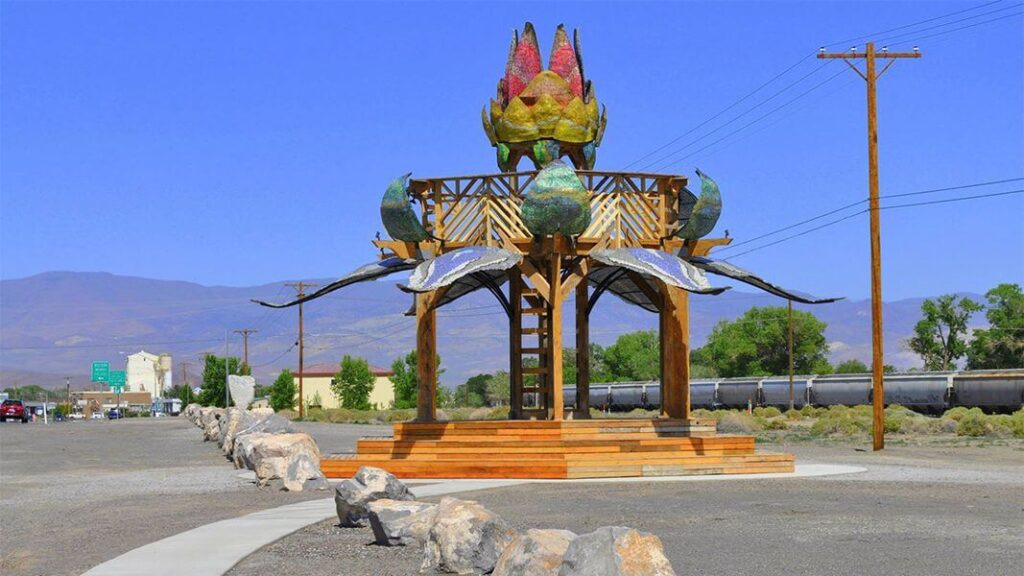
Burning Man Art — Center of Town

My first week at Winterpast was like stepping onto a stage where everyone already knew the script. I arrived late on stage, flipping pages to find my place. Names were familiar to everyone but me, landmarks had stories I didn’t know, and the rhythm to life that took time to learn. All of that took a back seat during my first year of grief.

During the COVID quarantine, I needed to fit in somewhere. This was hard to do when all doors were shut tight while faces were hidden behind masks.

Fitting in didn’t mean changing who I was—it meant allowing myself to take root in new soil. The problem was that I’d become someone totally different, transplanted in an unfamiliar environment. Like in any garden, that took time, patience, spring rains, and a lot of sunshine.

In our small town, presence matters more than polish, and that was a blessing. People wanted to see if I’d show up, whether for Bible study or Sunday morning service. It was never about standing out but more about standing beside. Everything was strange. Slowly, every smile and handshake became a thread in beautiful new tapestry called “HOME”. Things would have turned out differently without God.

Small towns are rich in stories, and old-time residents keep them alive. Sitting at the café or lingering at the hardware store, I listened. I asked questions not just to be polite, but to understand. There’s a kind of unspoken respect in letting others tell you who they are before you introduce yourself. Slowly, I found the answers needed to survive and thrive.

In a place where everyone knows everyone, there was no room for pretending. The upside? I wasn’t expected to be anything more than who I was. Authenticity carries weight. Over time, people stopped seeing that “new person” and started seeing the new neighbor, the woman who helped at the Holiday food drive, or the gal who always waves from her Jeep.

One of the fastest ways to fit in was to contribute. Our small church relies on volunteers and neighborly help more than formal systems. Whether stacking chairs, bringing soup to a sick neighbor, or helping someone find their lost dog, those quiet acts echo loudly in tight-knit communities.

There’s a myth that small towns are either instantly warm or permanently closed off. The truth lives somewhere in between. Trust is a slow-growing vine, and fitting in can take months, even years. But when it happens, it’s real. Not transactional or temporary, but lasting—like the way someone leaves a porch light on for you when they know you’re coming home late.

Fitting in isn’t about erasing your edges to match a mold. It’s about learning the contours of the community and finding where your shape naturally fits. Small town people don’t ask for perfection—they ask for presence, patience, and a willingness to be known.

Now, when someone calls me by name at Walmart or stops by to say “Hi” on a Sunday afternoon—I know: I’m not just living here anymore. I’m a Nevadan.

The Quiet Blessing of Health

Health is one of those blessings that whispers rather than shouts. It moves in the background of our lives, subtle and constant, so subtle that we rarely notice—until it’s gone.

When healthy, we move through the world with a kind of freedom that feels natural: rising in the morning without pain, breathing without effort, eating without caution, and walking without pain or planning. But none of these things are guaranteed. They are, in truth, small miracles. When we stop to recognize them, we begin to understand that health is not just a physical state—it’s a grace.

Having been blessed with remarkable health for 69 1/2 years, I don’t stop to give it much thought as often as I should. That changed in January when Influenza A almost took me out. Life can change in a moment and it’s wise to remember that as often as possible. A gratitude journal should always start by recognizing the health you enjoy!!!

Health allows us to show up for the people we love. It lets us work, laugh, rest, and contribute will giving us the energy to pursue purpose, the clarity to savor joy, and the strength to endure challenge. In our fast-paced lives, it can be traded away piece by piece as we skip rest, ignore symptoms, or numb stress until our bodies finally ask us to listen.

Gratitude for health doesn’t mean pretending everything is perfect. It means honoring what is working, even in the midst of struggle. It means saying thank you for the breath in our lungs, the beat of our hearts, the resilience of our spirits. For the healing of a wound, the clearing of a mind, the steady rhythm of a body doing its best.

For those walking through illness or recovery, the blessing of health becomes something else entirely: a beacon of hope, a goal, a memory, a daily prayer. It teaches us humility and presence. It reminds us that even in weakness, there is strength. Even in limitation, there is life.

Health isn’t a trophy we earn but a gift we are called to steward. It should be nourished with rest, movement, food, and water, while not forgetting to show kindness toward ourselves and others. Not because we fear its loss, but because we cherish its presence.

Today, take a moment to be still and grateful. Recognize the quiet miracle of a body that carries us, a mind that reasons, and a heart that beats. Health may not always be loud or glamorous, but it is one of life’s greatest blessings—and one that deserves our deepest thanks.

The Bluest Sky

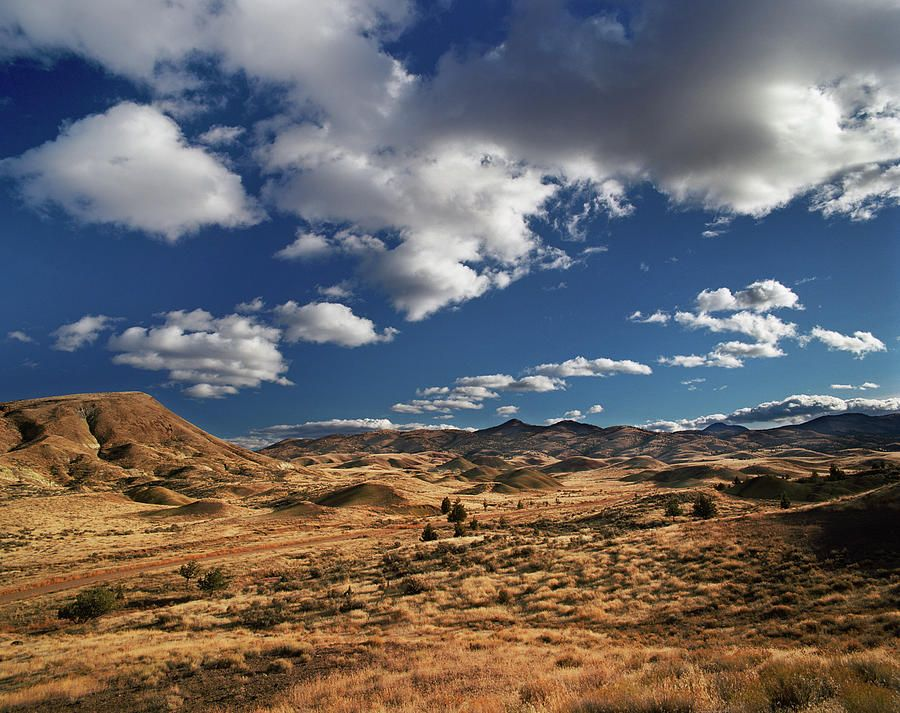
There’s something about the high desert that feels ancient and unspoken, as if time slows just enough for your soul to catch up with your body. Overhead, the sky stretches in a way it doesn’t anywhere else—wide, unbroken, impossibly blue. It’s the kind of blue that stops you in your tracks, makes you squint upward, and breathe a little deeper.

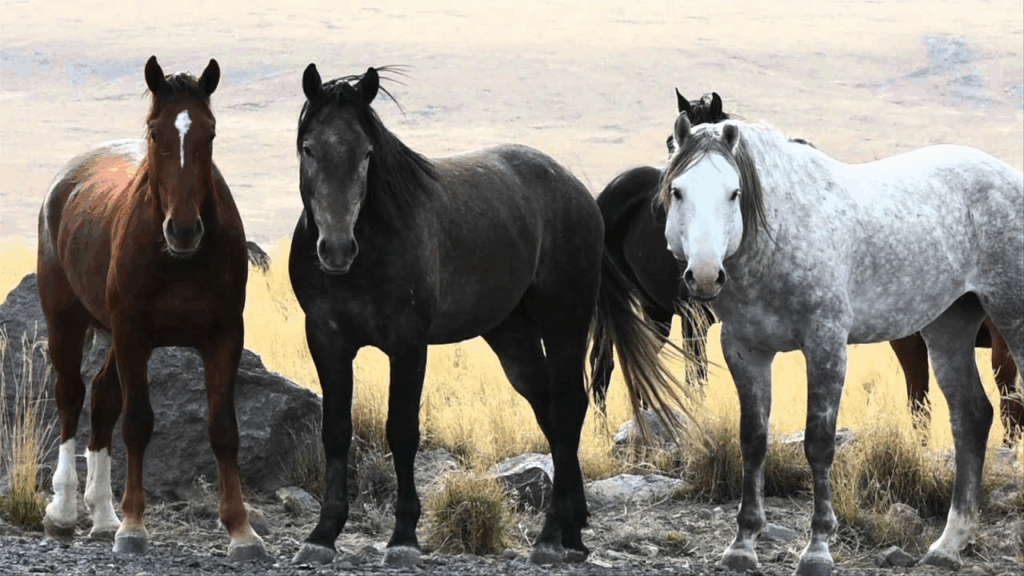
Every time HHH and I leave to run errands, I find myself commenting on the beauty of the surroundings. Growing up on a vineyard in the Central Valley of California, I never knew how luscious skies could be. That was until I moved to Nevada eleven years ago. The only thing that would make the desert any better is the return of the mustangs. As I wrote a couple of weeks ago, they are gone for good.

Fare thee well, my loves.

The high desert plains are not known for being easy. They are stark, windswept, sometimes lonely. The land rolls in soft undulations, dotted with sagebrush, scattered junipers, and the occasional jackrabbit vanishing into the shimmer of heat. But above it all, the sky is a balm—deep and clean, unmarred by skyscrapers, cell towers, or the haze of a too-busy life.

Being able to look for miles in any direction only to see open land is something city dwellers will never appreciate. Seeing snow-capped mountains one hundred miles away lifts the soul. The black of the desert night is something you need to experience to understand TRUE darkness.

In the early hours, before the sun fully wakes the land, the sky is a pale wash of silver-purple-ish-blue, hinting at the intensity to come. As the day builds, so does the color—azure at noon, shifting to cobalt by late afternoon. On clear days (which is most of them), the sky feels infinite. It pulls at your thoughts while opening your chest to invite you to dream.

There’s a kind of honesty in that sky. Maybe it’s the altitude—thinner air, less distortion. Maybe it’s the way the land below is stripped of frills and pretense. You can see for miles here, and you feel seen in return. The bluest skies aren’t just pretty—they’re revealing. Under them, you remember things: who you were before the world got noisy, what it felt like to be small and unafraid of it.

Clouds come and go like visitors—never overstaying, always moving. When they do, they add contrast, like brushstrokes on a canvas that doesn’t need painting but welcomes it anyway. During storms, the sky is a theater, where thunderheads roll in like ancient gods and lightning dances in the distance while the air stays dry.

The desert encourages us to look up. With so much open space, there’s no excuse not to. Out here, the sky isn’t just above you—it becomes part of you. A reminder that beauty doesn’t need embellishment and vastness can comfort as much as it humbles. Sometimes, blue isn’t the color of sadness, but of peace.

As a grieving widow in 2020, I found comfort in releasing balloons to mark the number of months I’d been alone. I can’t remember the color of the sky when I released the first lone balloon to travel toward heaven. Only 30 days widowed, I can tell you how the grass felt on my cheeks as I lay sobbing. The 12th release was on a bright sunny day, assuring me that travels through grief would become easier as the days went by.

The bluest sky is right outside my window today. With lots of gardening to do, I can’t wait to be out in the sunshine. Things are just healthier under our lovely skies.

If you ever find yourself on the high desert plains, take a moment. Look up. Let that blue fill your lungs, your heart, your memory. Because once you’ve seen it, you’ll never forget the bluest skies of the high desert plains of Northwestern Nevada.

More tomorrow.