Celebrating World Bee Day, May 20, 2025

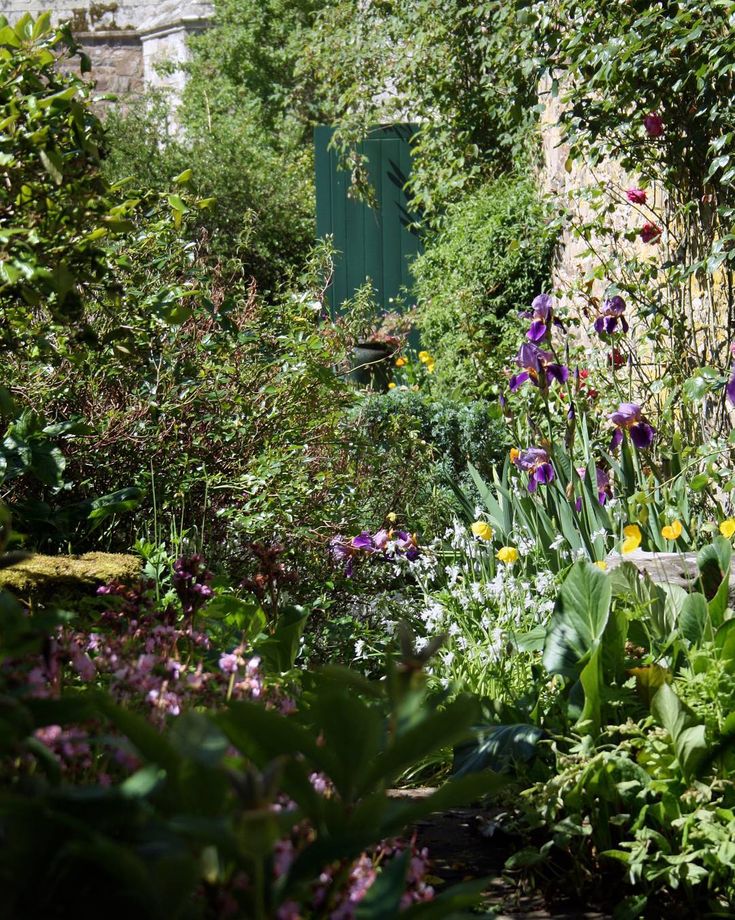
Today, on World Bee Day, while sipping coffee, I listened to the soft hum of wings winging their way through the gardens of Winterpast. That delicate buzz threads life between blossom and bloom. In a world often too loud to hear the quiet heroes, the bee is a balance of harmony and interconnection.

Bees are more than honey-makers. They are nature’s master pollinators, quietly servicing over 75% of our crops. Apples, almonds, blueberries, coffee, cucumbers, and more rely on bees. Without them, the vibrant palette of our plates would fade to monotony. Yet, the role they play goes far deeper than agricultural value.

In pollinating wild plants, bees maintain the very fabric of biodiversity. Every flight from flower to flower is an act of creation, ensuring that trees, shrubs, and wildflowers reproduce while ecosystems flourish. They are keystone species, holding together entire webs of life with invisible threads.

Despite their importance, bees are in crisis. Last year alone, 60% of the hives in the United States collapsed and died. In our area, we know of almost 100 that failed. Pesticides, habitat destruction, monoculture farming, climate change, and disease have all taken a toll. But, the scariest thing is that the experts haven’t found the real answer to why.

Since the early 2000s, bee populations have declined sharply around the world. The quiet vanishing of bees is not just an ecological tragedy—it’s a warning. Their loss signals a breakdown in a system that sustains us all. The loss of our hive last year broke our hearts, but not our spirit.

This year, our queen is supreme! Every day, she lays more eggs, which develop into larvae and then into capped brood. Our hive is filled with busy little bees that keep to themselves while foraging for pollen and nectar. In a few weeks, we’ll be adding the honey super (top box smaller than the other two) that they’ll fill for us! This year, we’re hopeful we’ll have honey to share with friends and family.

Each bee, small and delicate as it is, carries a profound message: our survival is inseparable from nature’s health. If they disappear, it’s not just their hum that fades—it’s the chorus of life itself.

World Bee Day is not just a celebration—it’s a plea.  In 2017, the United Nations officially designated May 20 as World Bee Day to highlight the importance of bees and other pollinators in sustaining life on Earth. The date was chosen in honor of Anton Janša, a Slovenian pioneer in modern beekeeping, who was born on May 20, 1734.

World Bee Day is observed annually on May 20. Every year, individuals, organizations, and governments worldwide come together on this day to spread awareness about the declining bee population and to promote protective measures. There are several meaningful ways to celebrate World Bee Day. For instance, you can plant bee-friendly flowers in your garden, avoid using harmful pesticides (please, discard your Sevin), and support local beekeepers by purchasing honey and other bee products.

Bees see flowers not only as sources of nectar, but as luminous patterns in ultraviolet light—a secret beauty humans can barely imagine. They live in complex societies, communicate through dances, and make collective decisions. Their world is rich, layered, and filled with purpose.

To honor bees is to live more attentively. While listening to the earth, find awe in the ordinary, and protect what is precious simply because it is alive. This World Bee Day, please remember that the hum of a bee is the heartbeat of the earth.

Aloha 2026 in 2025

Aloha, financially conscious 2026 beach bums!

We’ve decided to live our best life in Waikiki, sipping tropical drinks and applying SPF 50 like frosting, while preparing to hang ten with the best of them. Planning in 2025 for Waikiki 2026 is up to us. Believe it or not, when finding the best Waikiki Airbnb, one must start the year before.

Undoubtedly, Waikiki is beautiful, iconic, and priced like the Queen Supreme of all beaches. Hotels? Expensive. Resorts? Mortgage-level. Your best bet? Airbnb, where you can choose from places in the center of town or the most splendid beachfront abodes.

When budgeting a trip, be sure to do the math. Don’t forget….

  • Round-trip flight
  • 10 nights in Waikiki Airbnb
  • Food, souvenirs, excursions, and incidentals.

Now, breathe. You’ve got time to work out the details.

Finding a good Airbnb in Waikiki involves time and a good city map. Mark your favorites and read the reviews carefully. If the place you’ve selected is under $200/night, there’s a reason. Perhaps it sits atop a local bar that closes at 2 am. Or worse, perhaps others have traveled home with bed bugs. Remember, air conditioning isn’t just a suggestion, it’s a necessity for heat and humidity.

To start your Aloha Fund now, open a dedicated savings account. Set automatic transfers and then, forget it until the week before you leave. Even $10 a week gets you closer to sipping a mai tai on the beach.

It may take a year to adjust your thinking to Hawaiian life. Start by saying “Aloha” each time you open a door, especially at work. Break in new flip-flops now. Play Hawaiian music every chance you get. Finally, enjoy Hawaii time on the weekends and arrive late for everything.

Be there or be square.

You can always split an Airbnb with friends. Choose responsible people who will pay their fair share on time and not ruin the shared cost. Make sure your travel mates have the same goals. If HHH isn’t planning to take the catamaran ride to Diamond Head at least once a day, he’ll need to reconsider. This girl is going to be on or in the water, one way or another

Planning a 2026 Waikiki Airbnb vacation in 2025 isn’t just financially smart—it’s emotionally satisfying. Each time someone says, “Man, I need a vacation,” we’ll now reply, “We’re traveling to the islands in the spring. Wanna come along?”

There you have it. Set the alerts, build the fund, and choose which Hawaiian MuMu best expresses your attitude. In less than a year, you’ll be watching the sunset over the Pacific, thinking:

“I’m so glad we planned ahead. Now, where’d I put my flip-flops?”

Graduation

There are a few moments in life when the heart swells with overwhelming joy, and words aren’t enough. This weekend will be one of those rare and beautiful moments as we watch two of HHH’s grandchildren graduate from college. HHH is many thing to many people, but to them he’s just Papa.

Walking across the stage in caps and gowns, tassels swinging, smiles wide, and futures bright, they’ve met a huge milestone. These cousins have stepped into bright new chapters they’ve worked so hard to reach. Seems like yesterday, I graduated from my own Alma Mater. At 21, I had the world on a string as I prepared to leave for Moldavia, Russia as a new bride. Little did I know all the adventures life had waiting for me.

Life sped ahead, and in the blink of an eye, I was celebrating the graduation of my own children. How quickly they grew from inquisitive kids to successful adults with graduates of their own. Looking back, it hardly seems possible the years passed so quickly, but, indeed they have.

I’ve heard many stories about these graduates as babies. Back then, HHH wondered what their lives would look like. We’ve both dreamed, as all grandparents do, of happiness, love, and purpose for all our grandchildren. But dreams pale in comparison to the reality of witnessing them shape their own paths with grace and determination.

College isn’t easy. It’s a time of challenge, change, self-discovery, and growth. These two have navigated all of it through long nights, tough exams, new friendships, and moments of doubt with admirable resilience. One has earned a degree in education driven by her love of learning. The other studied business, while planning for success. Two different dreams, equally beautiful.

The best part isn’t just the degrees or accolades, but the kind of people they’ve become. They are kind and thoughtful. They care about their communities. They ask big questions and aren’t afraid to search for answers. They love deeply. They show up. Two beautiful reflections of their parents’ love and care throughout the years.

As a grandparent, you always hope your grandchildren will be happy. But seeing them grow into compassionate, capable adults who carry those values into the world is a gift HHH and I will treasure forever.

To these beloved graduates: thank you for letting me be part of your journey. Thank you for letting me see you shine. The world is waiting for you, and it is already better because you are in it.

Go Ahead – Shine

Each of us carries within us gifts we didn’t earn, talents we didn’t create, and abilities planted deep within our soul. These gifts are not random but rather divine fingerprints, unique to each of us and meant to bring beauty, healing, joy, and truth into the world. And yet, how often do we shrink back to dim our own light, fearing judgment, rejection while simply believing we’re not enough?

Here’s a thought. Hiding your gifts isn’t humility but fear in disguise.

Jesus told a parable about three servants entrusted with “talents” (a form of money, but the metaphor is unmistakable). Two invested their gifts and their master was pleased. The third, afraid of failing, buried his. When the master returned, he wasn’t angry because the servant failed, but because he didn’t even try.

The message is clear: Gifts aren’t for burying. They are to use, grow, and bless others. When you write, speak, create, lead, teach, heal, serve, or encourage, you’re not boasting but participating in something holy.

Many of us are taught to be modest, which is good advice as pride can distort. But modesty does not mean silence. It doesn’t mean shrinking back until we’re invisible. Real humility says, “These gifts aren’t mine but given to serve others.”

The world needs our hidden gifts. Imagine if artists stopped painting, teachers stopped teaching, or leaders stopped leading out of fear of being “too much.” Such beauty would be lost!

Jesus said, “You are the light of the world. A city set on a hill cannot be hidden… No one lights a lamp and puts it under a basket.” That verse doesn’t suggest some people are lights. It says YOU are the light, created to shine with truth, beauty, and love. When gifts are used, miracles bloom as grace meets courage.

It takes bravery to stand in the light. To speak when it would be easier to stay silent. To create when criticism is always possible. To lead when others may doubt your ability. But if your gift is God-given, your calling is to be faithful, not flawless.

So, start the business. Sing the song. Apply for the role. Offer the prayer. Write the book. Open your heart. The world doesn’t need more perfection but more people willing to be vessels of grace, hope, and truth.

If you’ve been hiding, it’s time to come out of the shadows. God didn’t make a mistake when He gave you your gifts. You are not unworthy of them. You are a steward of something eternal and unique. Let the world see what God planted in you.

Your gift is not for your glory. It’s for the good of others, and for the glory of the One who gave it.

So go ahead—shine.

The Tablecloth

As the blessing of health is returning to me a little at a time, I’ve spent time thinking more about yesterday’s blog. Here is Part 2 of a possible story of kindness.

When a person has gone a long time without a home, the idea of “belongings” feels foreign. Carry what you can, leave what you must, and learn not to grow attached. Furniture, curtains, and tablecloths are luxuries for other people with keys in their pockets, fridges that hum at night, and a table.

That first night in a new home, James sat at that table in silence. No TV. No noise. Just him, the hum of the heater, and a tabletop supporting a well-used Bible. The air smelled like fresh paint and possibility, but also like distance from everything lost.

The following day, volunteers from a local church dropped by with bags of “necessities”, among them, a tablecloth. “These things are for you,” they said. “Hopefully they’ll help your place feel more like home.”

Carefully unfolding it, the soft green background covered with a white floral design touched his heart. It took a moment before tears started to flow. Somehow, impossibly, it was just like the one his grandmother had.

Long before life unraveled and loss and circumstance knocked him down, Sunday dinners at her house were his safe place. In those days, life felt full, and the original tablecloth was always there. He used to trace the edges while she told stories or scolded him for picking at food. It smelled like clean linen, chicken soup, and love.

He never thought he’d see it again, let alone have a table to cover.

But here it was. Maybe not the exact one—but close enough that memory rushed in like a flood, and for the first time in years, he didn’t feel like a stranger to himself, but like someone who’d come back home.

Slowly spreading it across his table, he smoothed out the wrinkles with reverence. That single act made the empty house feel full. Not with things, but with meaning, dignity, and something like grace.

To some, a tablecloth is just fabric. For James, it was proof he’d not been forgotten but seen as someone worthy of beauty. Healing often begins not with grand gestures, but with quiet ones stitched in kindness, folded in memory, and offered without expectation.

Every time he sits at that table now, he does so with gratitude. For the roof, yes. For the heat, the fridge, and the shower. But mostly, for the tablecloth and how it laid a foundation for something he hadn’t felt in a very long time:

Belonging.

Whether or not this story happened will remain my secret. I can tell you this. A couple was deeply touched in unexpected ways while dropping off a few bags of “necessities”. Sometimes, things happen that way when a simple act of kindness turns into something full of meaning and beauty.

As for me, the days of Kleenex and Mucinex are over and I’m back to my old self.

More tomorrow.
What Would You Do

When one is recovering from a virus, the world keeps spinning. Waiting to get better, I decided to write a story about something that may or may not have happened within the last week. We all need to be ready for the unexpected. What would you do if you faced this situation?

In a quiet corner of town, a simple act of compassion turned an empty building into something sacred. A local church, faced with the needs of a homeless man in their community, made the choice to open the doors of a vacant house they owned and allow him to stay for a short time. It wasn’t a grand gesture with press releases or social media fanfare. It was quiet, deliberate, and deeply human.

The little house had been empty for months. Once full of laughter and the everyday sounds of life, it sat shrouded in silence. Church members had been debating how best to use it. While many good ideas swirled through leadership meetings, the question remained. Should it be used for immediate income or for someone in need?

With no working bathroom, before it could be used for anything, it needed fixing. After installing a brand new tub/shower combination, that problem was fixed.

Within days of completion, a believer named James came along. Life had thrown him more than his fair share of storms, and slowly, everything that once made him feel secure unraveled. What he needed wasn’t just a meal or kind words. He needed a door that locked, a roof that held, and a place to breathe.

What could a tiny country church do to help?

So, the church let him in.

This decision was not without risks or questions. How long would he stay? Would it be safe? Was this fair to others in need? But rather than letting uncertainty paralyze them, the members leaned into grace. They drafted a basic agreement for clarity with J and coordinated volunteers to help furnish the space with donated items.

What happened next wasn’t dramatic, but profound. James rested. A few weeks in a stable place gave him time to think again about the future. Eventually, he’d be able to move on to more permanent housing.

And so, you decide. Did this happen or is it the product of way too much Mucinex?

In today’s world, where the scale of homelessness can feel overwhelming, it’s easy to believe that only large systems can bring solutions. But sometimes the most powerful thing is a single unlocked door. Churches, nonprofits, and communities across the country sit on vacant properties while people sleep under bridges. What if this story wasn’t the exception, but the beginning of a new model of radical hospitality?

This story isn’t about a church saving a man. It’s about the sacred intersection of resources and need. It’s about what happens when we look at what we have—not as ours to protect, but as tools to serve.

What unused space in our lives—physical or emotional—could become shelter for someone in need? The next time someone comes to your door, what would you do?

More tomorrow.
Kidnapping in a Small Town

In a quiet little town, where neighbors greet each other by name and front doors are often unlocked, the unthinkable happened. Last week, three boys were reported missing under circumstances that the sheriff is now calling a kidnapping.

Happily playing in broad daylight at a local park, three ten-year-old boys disappeared, and what began as an ordinary afternoon quickly became every parent’s nightmare. As law enforcement agencies launched a frantic search, their families united in shock, fear, and grief.

According to local police reports, the children disappeared late afternoon last Tuesday. Within an hour, all three had vanished without a trace. Because of a strange text, family members alerted the sheriff, and the search began.

Within hours, the youngsters were located under the crawl space of a home just feet from our church. The kidnapper convinced them to follow his instructions or they’d be killed. They were beaten and terrorized during their time in captivity by one crazed individual.

The boys were found by locating the last ping of their cellphone. The kidnapper was arrested and the boys taken to a hospital for treatment of their injuries. Thank goodness for technology.

Throughout this ordeal, most of the community wasn’t aware. Other than a police presence in this one small neighborhood, the rest of the residents went on with life as usual.

The next day, the police asked our Pastor to review the church’s surveillance videos. Sure enough, the three boys and their kidnapper were there, walking along the road. The kidnapper hadn’t planned well and had to lift a child over the fence to have him unlock the gate from the inside. From there, he made the children go under the crawl space of the house.

Beneath this story lies a deep and aching question: Why?

Why would someone target three innocent children in such a small, tight-knit community? How can these tragedies by prevented?

This incident serves as a devastating reminder that even the “safest” places aren’t immune to danger. It highlights the importance of community watchfulness, robust child safety measures, and immediate response systems. The case has reignited a difficult but necessary conversation: stranger danger is real, and closer than we think.

For decades, we’ve taught the phrase “stranger danger” in schools, homes, and daycares. But the reality is, children are still vulnerable to manipulative or predatory adults, especially in moments of brief inattention or false trust.

This is not fear mongering. The truth is child predators often look and act ordinary. That goes for ANY predators. Often polite, they can be well-spoken, and sometimes familiar. The idea that danger always “looks dangerous” is a myth that must be broken.

It’s difficult to strike the right tone when talking about threats like this. Empowerment works better than fear. Teach children:

  • Never to go anywhere with a stranger
  • Not to trust adults who ask them for help
  • To scream, run, and find help
  • That it’s okay to say no
  • To always check in before changing locations

If this tragedy leads to even one child being safer, more aware, more empowered—then these boys’ stories will not be forgotten. Remember, seniors are vulnerable, too. Always be aware of your surroundings.

We’re thankful that the children were found alive and pray for a complete healing.

More tomorrow.

Viruses

This week, I updated with a brand new computer. Having held on to Windows 10 for as long as possible, I decided it was time to renew and reinvent the way I blog. Monday, the huge box arrived.

This computer is everything I hoped it would be and more. It works faster than I can think. Sleek and beautiful, the monitor glows as it displays gorgeous imagery. All week, I’ve been learning a little of this and a little of that. Having heard so many bad things about Windows 11, I was a little leary to change. I shouldn’t have been, as everything makes sense, so far.

The old computer is still in the kitchen nook wondering where the heck I went. Migrating to the studio for a total reset, the old computer will remain for use on days we need a second space to work.

One of the first things that came up was the decision of which anti-virus software to install. With that handled, the new computer is safe.

I wish it was the same for me.

Another desert virus has attacked. This year has been a bad one here in my little town. Missing Bible study last night, I’ll be resting and healing for the next week’s fun.

As you all know, girls just want to have fun. With plenty of Kleenex in my suitcase, I’ll be off for a week of giggles and fun with besties. HHH has promised to give the seedlings plenty of water and cuddle the puppies until I return.

Whatever you do today, stay well. If you are sick, stay home. If you are well, try to avoid those who are sick. Viruses these days are nothing to mess with. I’ll be back on May 12th with lots to tell.

National Day of Prayer

Today, millions across the United States are observing the National Day of Prayer. This is a time set aside for individuals of all faiths to unite in reflection, gratitude, and hope. Rooted in a long-standing American tradition, the significance of this day extends far beyond ceremonial gestures. It offers a moment for the nation to pause, breathe, and seek guidance, both personally and collectively.

Today, I’ll ignore the external noise of daily life, as well as my own internal clutter. It’s easy to go through the motions while skimming past headlines or seeing dates on the calendar without really noticing them. This day is an invitation to pause, breathe, and turn inward to pray.

In a world that often feels divided, prayer whispered in solitude, chanted in community, or held in silent hope, is a reminder of things that connect us across traditions. You don’t have to believe or pray the same for the act to mean everything. At its core, prayer is about humility, presence, and hope.

For me, prayer isn’t a grand declaration. It’s more of a conversation in quiet moments of requests for clarity where there’s confusion, peace where there’s unrest, and healing where there’s hurt. It’s also a moment for listening—something I’m working on.

Lift up those who are praying for strength to face illness, reconciliation in a fractured relationship, or justice where it’s long been denied. May those who don’t pray, but live filled with compassion, purpose, and service find blessings in their daily lives.

The National Day of Prayer isn’t about religion. It’s about the collective spirit of a people willing to seek, reflect, and hope together. In a time when headlines highlight so much of what separates us, days like this remind me of the threads that quietly bind us. The real power of prayer resides in the posture of our hearts.

Congress officially established the National Day of Prayer in 1952 during a period of post-war uncertainty and cultural shifts. Leaders recognized the power of a nation turning inward, through prayer or silent reflection, to strengthen its spiritual foundation and inspire compassion, community, and ethical leadership. President Truman signed it into law, and in 1988, President Reagan amended the act to set the first Thursday of May as its annual date.

In today’s fast-paced world, days like these are a reminder that stillness has power. Whether approaching prayer as communion with God, as spiritual contemplation, or as a meditative pause, the National Day of Prayer calls each of us to connect with something deeper than our daily routines.

On this National Day of Prayer, whether you’re lifting a quiet petition or participating in a community gathering, take a moment to reflect not just on your journey, but on the shared story of us all. In listening, asking, and hoping, find peace.

The Great Squirrel War: Pellets, Gas, and the Sun-Powered Apocalypse

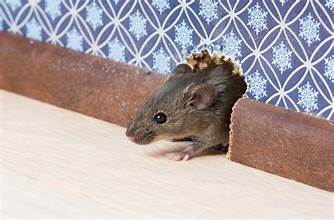
It all started with a rustle. Just a little rustle in the garden, the kind you ignore because maybe it’s the wind. But this rustle had attitude. This rustle meant business. This rustle had a bushy tail and zero respect for property boundaries. I promised I would update you when I had news and boy do I have great news! The squirrel is gone!

This rodent wasn’t your run-of-the-mill nut collector. He an alpha backyard marauder—territorial, aggressive, and possibly hopped up on fermented birdseed. He dug holes like he was planning a subway system, ate seedlings like candy.

As you all know, I did what any rational adult would do: I declared war

HHH and I gathered our first line of defense. Deadly gopher pellets.

Palatable Pellets! Yum!!! Not.

We sprinkled them like seasoning a gourmet squirrel salad. The directions said something vague like “Apply liberally to active burrows,” which, in this case, was anywhere within a three-mile radius. I imagined this creature sniffing the stuff, coughing, and dramatically packing his bags like, “Well fine, I see how it is.”

Nope.

Instead, he doubled down and made more frequent appearances.

And so, the challenge was on. Something was going down, and it wouldn’t be the petunias.

We went full action movie villains and bought gopher gas bombs—little chemical canisters that you light and shove into a burrow like a suburban depth charge. The instructions came with warnings like “Do not breathe,” and “Do not ignite near house.”

HHH lit the fuse, shoved it in the burrow, and waited like a patient assassin. And then… nothing. Not a whimper. Not a cough. Not even smoke. Nothing at all. And, worse than that, the destructive visits continued.

Broken, beaten, and deep into rodent warfare, we finally turned to technology. When cleaning out the shed, I found a solar-powered vibrating stake that claimed to “repel underground pests through pulses and vibrations.”

I was skeptical. Mostly because this squirrel didn’t live underground—he lived in my soul at this point. But desperate times called for desperate measures. I deployed this little device and then forgot about it.

The very next day, HHH brought out the gun and we were ready. This squirrel would enjoy his last visit to Winterpast. That’s all there was to it. It was going to die at the hands of My Mysterious Marine.

And this time… something changed.

The squirrel moved out.

At first, HHH waited by the back door with the pellet gun. One shot and the ordeal would be over. But, the squirrel never reappeared. Just like that, his hole is as empty as the flower garden.

Gone. Just like that. One day he was shimmying up our bird feeder pole, and the next, vanished like a tax return in April. Did the vibrations work? Did he finally get bored? Did he move to the neighbor’s yard with better seedlings?

A friend inquired about our seedlings the other day and I mentioned the problem with the squirrel.

“Ohhh, my dad just told me about a device that puts vibrations in the ground. Works swell. His squirrels moved out. Have you heard of it?”

Well, at least now we have a better idea of why he left.

I still wake up sometimes in a cold sweat, swearing I heard a chitter outside. But for now, peace reigns in the backyard. The new seedlings are sprouting. The lawn is healing. As for HHH and me? We’ve learned that sometimes it takes a little sun-powered passive aggression to win a war.

Stay vigilant, fellow gardeners. And never underestimate squirrels.

PS–

Not so fast. Another sighting has been confirmed within the last few minutes. The war continues. Stay tuned.